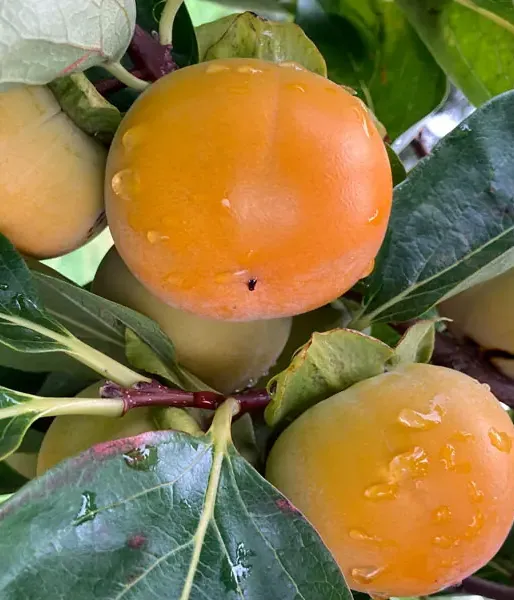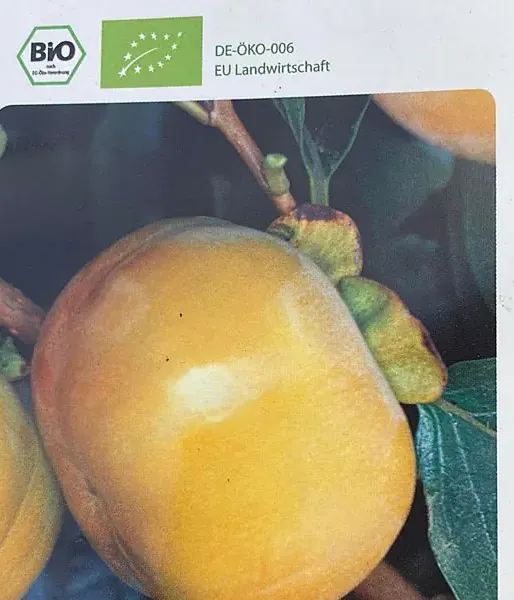


Persimmons: Choose the Right Variety and Learn Their Secret
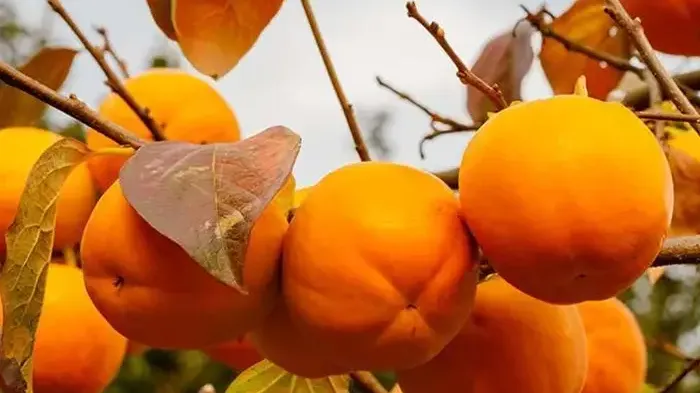
Fruit of the Gods: A Scientific Guide to Persimmon Varieties
Learn the difference between astringent and sweet fruits, discover cold-hardy hybrids, and explore the Japanese art of drying.
The botanical name for the persimmon, Diospyros kaki, translates loosely from Greek as "fruit of the gods". This subtropical tree, originally from China and Japan, is gaining increasing popularity in gardens worldwide. However, choosing the right variety is often confusing for beginners. While some fruits can be munched straight from the tree like an apple, biting into others too early will literally "pucker" your mouth.
Pomology (the science of fruit varieties) divides persimmons into two fundamental groups based on their tannin content. If you want to successfully grow and consume persimmons, understanding this classification is absolutely crucial.
The Science of Astringency: PCA vs. PCNA
The astringency of unripe persimmons is caused by the presence of soluble tannins. In the mouth, these compounds bind to proteins in saliva, causing the familiar dry, puckering sensation. Depending on how the variety handles tannins, we divide them into two main categories:
Key Variety Profiles: From the Tropics to the Snowdrifts
Growing persimmons has undergone massive development. Breeders have worked for decades to ensure fruits with an exotic taste can survive freezing winters. Let's look at 4 varieties every enthusiast should know.
1. Fuyu (Pure Asian PCNA)
Fuyu is the global commercial standard for non-astringent persimmons. The fruits have a typical flat (tomato-like) shape. You can eat them hard, with a flavor reminiscent of melon mixed with pear and honey. The downside of this variety is its sensitivity to cold – trees usually only tolerate frosts down to -15 °C, making them better suited for greenhouses or the warmest southern regions with good winter protection.
2. Hachiya (Pure Asian PCA)
Hachiya is the queen of astringent varieties. It produces large fruits shaped like an elongated acorn with a pointed tip. While the fruit is hard, it is absolutely inedible. But once it ripens and softens, its interior turns into a translucent, sweet jelly that can be eaten with a spoon. Like Fuyu, Hachiya is sensitive to severe frosts.
3. Rosseyanka (Interspecific Hybrid)
A scientific breakthrough occurred at the Nikitsky Botanical Garden in Crimea. Breeders there crossed the large-fruited Asian persimmon (Diospyros kaki) with the North American species (Diospyros virginiana), which has small fruits but is extremely cold-hardy. The result is 'Rosseyanka' – a PCA variety with smaller, almost round fruits that are amazingly sweet with a hint of rum when soft. Its biggest advantage is its cold hardiness down to an incredible -30 °C.
4. Nikita's Gift (Advanced Hybrid)
This is a direct descendant of the Rosseyanka variety, but with significantly improved fruit characteristics. They are larger, flatter, and acquire a beautiful dark burgundy color when ripe. The flesh is deep orange-red and incredibly sweet. The tree grows more compactly and easily withstands frosts down to -24 °C, making it an ideal choice for Central European gardens.
Cold Hardiness Comparison of Mature Trees
| Rosseyanka (Russian interspecific hybrid) | down to -30 °C |
| Nikita's Gift (Advanced Hybrid) | down to -24 °C |
| Fuyu, Tipo, Hachiya (Pure Asian species) | down to -15 °C |
← Swipe sideways →
Summary Overview of Key Varieties
| Variety Name | Group (Astringency) | Shape and Usage |
|---|---|---|
| Fuyu | PCNA (Non-Astringent) | Flat. Eaten hard and crisp like an apple. |
| Hachiya | PCA (Astringent) | Acorn-shaped. Excellent for eating with a spoon and drying. |
| Rosseyanka | PCA Hybrid | Round, smaller. Cold-hardy certainty for the whole country. |
| Nikita's Gift | PCA Hybrid | Flat, large. Dessert, wine-red sweet flesh. |
← Swipe the table sideways →
Hoshigaki: The Japanese Art of Turning Astringency into a Delicacy
If you have an astringent PCA variety (like Hachiya) and don't want to wait for it to soften into jelly, you can try the ancient Japanese drying technique called Hoshigaki.
The process involves carefully peeling hard but fully colored astringent persimmons (leaving the stem attached) and hanging them on strings in a dry, well-ventilated place. After about a week, when a thin crust forms on the surface, the fruits are gently massaged with fingers every day. The massage loosens the internal structure, promotes even water evaporation, and causes natural sugars to be released to the surface.
Is it mold or sugar?
After several weeks of massaging and drying, the persimmon shrinks, and its surface is covered with a fine white powder. Many people panic, thinking it's mold. In reality, it is crystallized natural sugar (fructose and glucose) that has surfaced from the inside of the fruit. The result is a luxurious delicacy with a taste reminiscent of cinnamon, caramel, and honey, with zero astringency.
A Scientific Trick to Remove Astringency Fast
Artificial Ripening Using Apples
If you grow an astringent variety, you typically harvest the fruits hard in the autumn (before strong frosts arrive) and let them ripen indoors. To accelerate this process, place the hard persimmons in a plastic bag or a sealable container along with a ripe apple or banana. The apple releases ethylene gas, which acts as a powerful plant hormone. This gas shortens the softening and tannin polymerization process from several weeks to just a few days.
Thanks to advances in interspecific breeding, almost anyone can now grow sweet persimmon fruits, rich in beta-carotene, vitamins, and rare dietary fiber, in their own garden.
Plant Your Own Tree of the GodsChoose from our selection of cold-hardy hybrids and classic non-astringent persimmon varieties. We offer high-quality grafted trees with excellent resilience, ready for planting. Buy Persimmon Trees |
Join Fruit-Growing EnthusiastsExchange growing experiences, ask about varieties, and share your harvest in our Facebook community full of enthusiastic gardeners, discuss with experts, and get early access to articles. Join us on Facebook |
Related Products