

Nashi (Asian pears): Hosui, Nijisseiki, and other top varieties | Blog
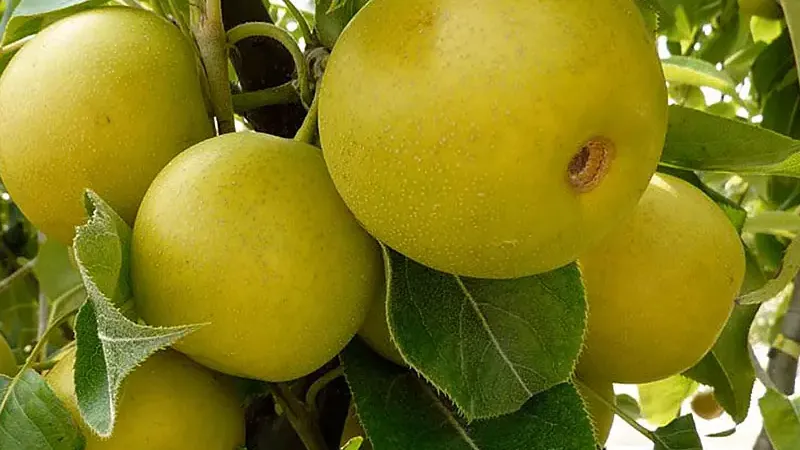
Nashi Pears Hosui, Nijisseiki & More: A Tasting Menu of Asian Pears
Nashi pears, often called Asian or apple-pears, are fruits that combine the crispness of an apple with the juiciness and sweetness of a pear. Each variety brings a unique flavor and set of characteristics that destine it for a different kind of experience.
"The world of Nashi pears is like a tasting menu—from early summer appetizers to rich winter desserts."
In this guide, I will present six exceptional "courses," from quick and fresh to complex and long-ripening. Find your favorite.
Appetizer: Hayatama – The Early Gem
Character: This very early Japanese variety is made for immediate consumption. It's a fresh and sweet start to the Nashi season.
Course Profile: Hayatama
- Origin: Japan
- Ripening Time: Very early (mid-August)
- Fruit: Medium-sized (120-140 g), bronze-amber, with honey-sweet and exceptionally juicy flesh.
- Pollination: Cross-pollinated, needs another Nashi variety.
- Resistance: Good against scab, but susceptible to fire blight.
Chef's Recommendation: The ideal choice for impatient growers who want to enjoy the first harvest of sweet and juicy Nashi pears in the middle of summer.
Main Courses: The Heart of the Nashi Season
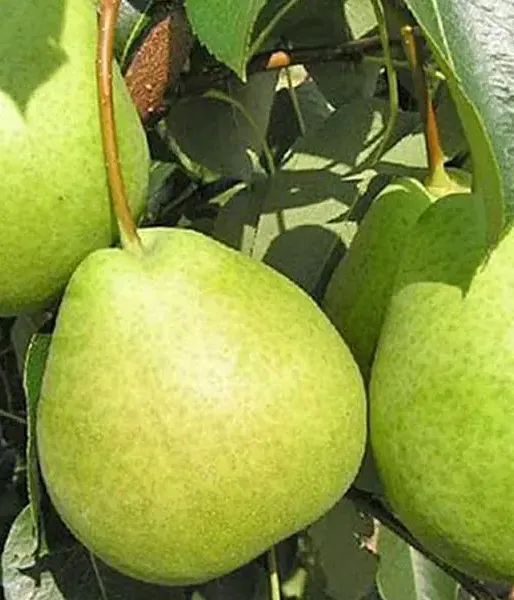
Hosui – Abundance of Water and Flavor
Character: One of the most popular varieties worldwide thanks to its excellent taste and extreme juiciness. It is a rich and satisfying main course.
Course Profile: Hosui
- Origin: Japan (1972)
- Ripening Time: Mid-season (mid-September)
- Fruit: Large (up to 200 g), bronze-gold, with wonderfully crisp, tender, and juicy flesh.
- Pollination: Cross-pollinated.
- Resistance: Resistant to black spot, reduced susceptibility to fire blight.
Chef's Recommendation: Thanks to its exceptional flavor and juiciness, it is rightly considered one of the best and most desirable Nashi pears in the world.
Chojuro – The Hardy Classic
Character: A historic Japanese variety that is synonymous with robustness and high natural resistance. It is a traditional and reliable course that never disappoints.
Course Profile: Chojuro
- Origin: Japan (discovered around 1893)
- Ripening Time: Mid-season (September)
- Fruit: Large (around 200 g), bronze-brown, with harmoniously sweet and crisp flesh.
- Pollination: Cross-pollinated.
- Resistance: High overall resistance, ideal for more organic growing practices.
Chef's Recommendation: A great choice for growers who want to minimize chemical sprays and value reliability.
Nijisseiki – The 20th Century Pear
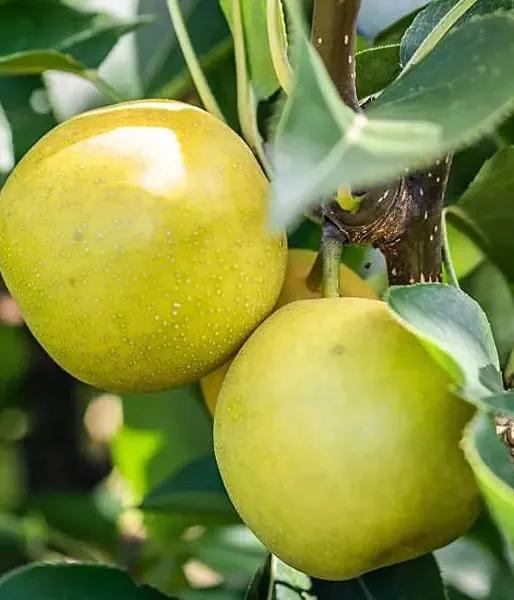
Character: A fresh and elegant icon with a bright yellow skin. Its taste is the perfect combination of the crispness of an apple and the sweetness of a pear.
Course Profile: Nijisseiki
- Origin: Japan (discovered in 1898)
- Ripening Time: Mid-season (mid-September)
- Fruit: Medium-sized (around 150 g), bright yellow, with a refreshingly aromatic, sweet-tart taste.
- Pollination: Cross-pollinated.
- Resistance: High frost hardiness (down to -29°C) and low susceptibility to diseases.
Chef's Recommendation: Thanks to its hardiness and fresh taste, it is an ideal and reliable choice for most gardens.
Shinseiki – The Balanced Champion
Character: The result of targeted breeding—a balanced, reliable, and very tasty pear that combines the best of its parents ('Nijisseiki' x 'Chojuro').
Course Profile: Shinseiki
- Origin: Japan (1945)
- Ripening Time: Early (early September)
- Fruit: Medium to large (150-200 g), yellow-green, with firm, crisp, and extremely juicy flesh.
- Pollination: Cross-pollinated.
- Resistance: Resistant to scab, but more susceptible to fire blight.
Chef's Recommendation: A popular choice for both commercial and home growers who are looking for reliability and a balanced flavor.
Dessert: Tsu Li – The Winter Treasure for the Patient
Character: This late Chinese pear is intended for consumption after long-term storage. It is the sweet finale to the season that develops its full flavor only after resting.
Course Profile: Tsu Li
- Origin: China
- Ripening Time: Late (early October), requires storage to ripen.
- Fruit: Large (up to 240 g), classic pear shape. The taste after storage is excellent, very sweet, and aromatic.
- Storability: Exceptional, up to 6 months.
- Resistance: Highly frost-hardy and resistant to fire blight.
Chef's Recommendation: A treasure for the patient. Enjoy crisp and sweet Nashi deep into the winter.
Tasting Menu Comparison
Which Course Will You Choose?
| Variety | Ripening | Flavor Profile | Key Feature |
|---|---|---|---|
| Hayatama | Very Early | Honey-Sweet | First of the Season |
| Hosui | Mid-Season | Extremely Juicy | World Flavor Standard |
| Chojuro | Mid-Season | Harmoniously Sweet | High Resistance |
| Nijisseiki | Mid-Season | Freshly Aromatic | High Frost Hardiness |
| Shinseiki | Early | Balanced Sweetness | Reliability & Yield |
| Tsu Li | Late | Very Sweet | Extreme Storability |
Create Your Own Menu
Why settle for just one course? By combining different varieties, you can ensure not only perfect pollination but also fresh Nashi pears from summer deep into the winter. Discover all the Nashi varieties in our selection and find the right ones for your garden.
Which "course" from our Nashi menu tempts you the most? Let us know in the comments!
Related Products