









Vytėnų žvaigždė: The Lithuanian Sour Cherry That Crops Heavily, Shrugs Off Frost and Pits with Ease
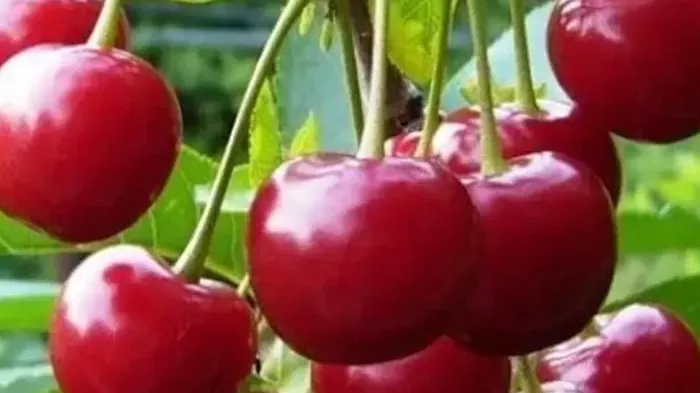
Sour cherry variety · Lithuania
Sour Cherry 'Vytėnų žvaigždė': The Lithuanian Star of Summer Gardens
A self-fertile, low-vigour variety with large, almost black fruit and a small stone that separates easily from the flesh
Picture a hot July day and handfuls of glossy, dark red, almost black sour cherries. The first bite brings a refreshing tartness, quickly balanced by a pronounced sweetness. This is exactly the flavour offered by the Lithuanian sour cherry with the exotic-sounding name 'Vytėnų žvaigždė'.
If you are looking for a tree that does not take up much space, starts bearing within a few years and produces fruit equally good for fresh eating and for processing, this variety deserves your attention.
| 1973year of origin | 4–5 gfruit weight | Year 3first crop after planting | 0.25 gapproximate stone weight |
← Swipe the table sideways →
Born of Lithuanian Breeding Tradition
The name 'Vytėnų žvaigždė' translates as "Star of Vytėnai", and the variety did not earn it by chance. It ranks among the most valuable varieties in Lithuanian fruit growing. It was released in 1973 after many years of work by the respected breeder A. Lukoševičius at the Horticultural and Vegetable Research Station in Vytėnai, the predecessor of today's Lithuanian horticultural research institute. It is a mid-early to early variety.
The variety is the result of a deliberate cross. The breeders pollinated flowers of the traditional local variety 'Žagarvyšnė' (known in Latvia as 'Latvijas Zemais') with pollen from the seedling 'Podbielskinės' (No. 100). The result was so convincing that the variety quickly won over growers. Its value is further confirmed by the fact that in 1996 it was added to the list of varieties best suited for cultivation in Lithuania, and in 2008 it became part of Lithuania's national plant genetic resources.
A Tree That Fits Even a Small Garden
One of the variety's greatest strengths is its growth habit, which is ideal for today's often smaller gardens. Until it comes into bearing, the young tree grows with moderate vigour. It starts cropping as early as the third year after planting, and from then on its growth slows markedly – it becomes a low-vigour tree.
The crown is neatly rounded and of medium density. The tree owes much of its elegance to its branches, which tend to droop slightly. When laden with fruit, it resembles a weeping willow hung with red rubies.
iA self-fertile variety
'Vytėnų žvaigždė' is self-fertile, so it does not need a second tree as a pollinator. It crops regularly and heavily – in some years very heavily indeed. It flowers mid-season, and in spring its blossoms are a welcome source of food for bees.
The Fruit: Large, Dark and Juicy
The mother variety 'Žagarvyšnė' had smaller fruit. The Star of Vytėnai clearly surpasses it in fruit size and adds several other practical qualities.
What makes up the weight of the fruit
| Flesh | 94–95% |
| Stone | 5–6% |
Shares calculated from a fruit weight of 4–5 g and a stone weight of about 0.25 g. Scale: 0–100% of fruit weight.
← Swipe sideways →
A small, free-separating stone and fruit that ripens all at once make this sour cherry a variety tailor-made for preserving.
Harvest Time and Uses
The variety ripens in the first half of July, more precisely in its first ten days. A major advantage for processing is that the fruit ripens all at once. There is no need to pick in several rounds – you harvest the whole crop in one go and can start preserving straight away.
The cherries are delicious eaten fresh from the tree, when they are wonderfully refreshing on a summer day. Thanks to easy pitting, however, they are also perfect for processing – in cakes, jams, syrups and compotes, or for making homemade sour cherry brandy.
!Take care with the stones when processing
The kernels inside cherry stones contain amygdalin, which can release poisonous hydrogen cyanide. When making syrups, liqueurs or brandy, do not crush the stones, and preferably pit fruit before steeping it in alcohol.
How to Grow the Lithuanian Star
Originating from the more northerly Baltic latitudes, the variety has excellent winter hardiness. It is also fairly resistant to common fungal diseases – for example, it shows moderate resistance to the much-feared cherry leaf spot (coccomycosis).
To help it thrive and reach its full potential, pay attention to the choice of site.
Site selection guide
The Variety at a Glance
| Characteristic | Details |
|---|---|
| Origin | Lithuania, Horticultural and Vegetable Research Station in Vytėnai |
| Year and breeder | 1973, A. Lukoševičius |
| Parentage | 'Žagarvyšnė' × seedling 'Podbielskinės' (No. 100) |
| Vigour and crown | moderate at first, low once bearing; rounded crown of medium density with slightly drooping branches |
| Pollination and flowering | self-fertile; mid-season flowering |
| Onset of bearing | 3rd year after planting |
| Ripening | first ten days of July; fruit ripens all at once |
| Fruit | 4–5 g, round, dark red to almost black, sweet-sour |
| Stone | about 0.25 g, elliptical, separates easily from the flesh |
| Resistance | excellent winter hardiness; moderate resistance to cherry leaf spot |
| Soil requirements | loose, humus-rich, with sufficient calcium; does not tolerate prolonged waterlogging |
← Swipe the table sideways →
Conclusion
The 'Vytėnų žvaigždė' sour cherry is a rare example of a variety that combines traditional sour cherry flavour with the demands of modern gardens. The tree does not grow too tall, yet it is usually covered in fruit. It bears early and regularly, and its cherries look beautiful and taste even better.
If you are looking for a sour cherry that needs no pollinator, copes well with winter and is easy to process thanks to its small stone, invite this Lithuanian star into your garden. It will reward you with a harvest year after year.
Plant the Lithuanian StarFind the self-fertile 'Vytėnų žvaigždė' and other proven sour cherry varieties in our online shop. Choose a young tree that will give you your first handfuls of dark, juicy cherries within just a few years. View varieties → |
Join Our Fruit GrowersShare your growing experience, ask about varieties and show off your harvest on our Facebook page for passionate fruit growers. Talk with experts and be the first to read our new articles. Follow us → |
Related Products
