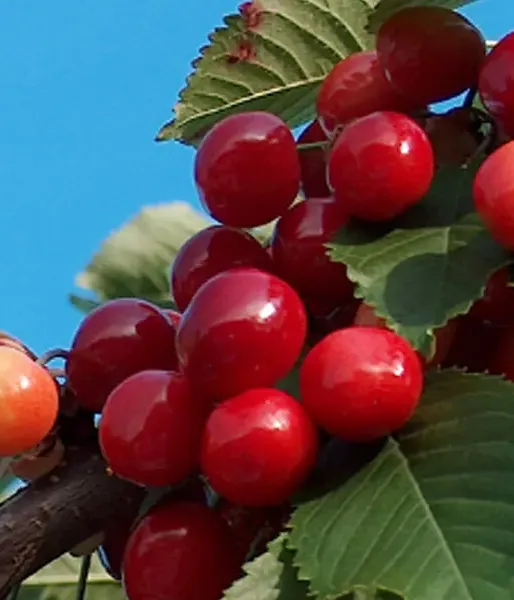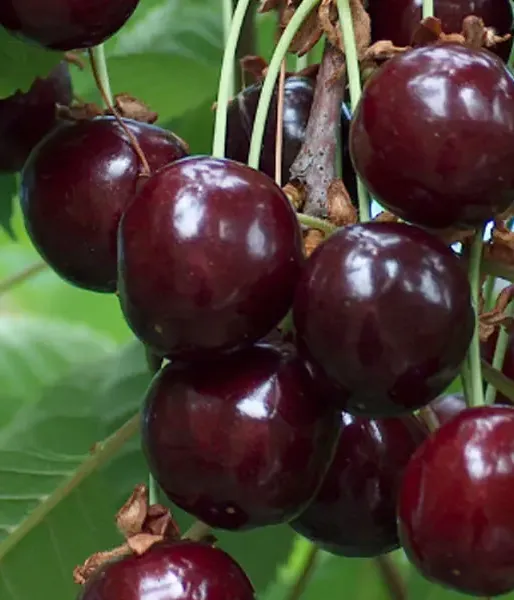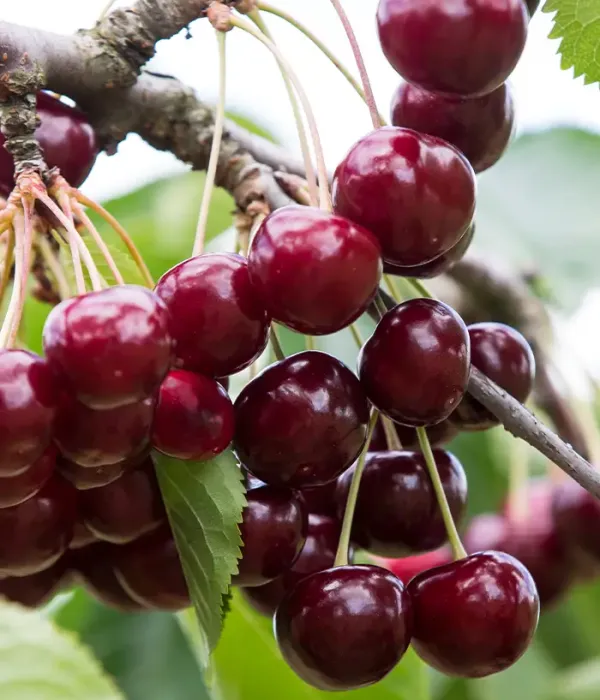


They Survived the Baltic – They’ll Survive Your Winter Too

Nordic Gems for Your Garden
Meet the indestructible Baltic cherries that outsmarted a harsh climate
When we think of ideal weather for growing sweet, juicy cherries, most of us picture the sun-drenched hillsides of southern Europe. The Baltic coast, with its unpredictable freezing winters, late spring frosts and cool, damp summers, sounds more like a survival test than a fruit grower's paradise. Yet it is exactly this harsh environment that became the perfect laboratory.
Breeders in Latvia, Estonia and Lithuania refused to be discouraged by the unforgiving climate. Instead of trying to adapt warmth-loving varieties to their conditions, they created an entirely new generation of cherries. These "Baltic treasures" stand for outstanding winter hardiness, disease resistance and a surprisingly rich, sweet flavour. Forget delicate trees that are wiped out by the first spring frost. Join us on a tour of the Baltic breeding stations and discover varieties that will bring Nordic resilience and exceptional quality to your garden.
|
3
countries of origin
|
11
varieties featured
|
20 °Brix
sugar content of 'Artis'
|
June
ripening of the earliest varieties
|
Latvia: a breeding powerhouse at the Dobele institute
The heart of Latvian fruit growing is the Institute of Horticulture in the town of Dobele. It was here, often building on the valuable breeding material of the legendary Pēteris Upītis, that Dr. agr. Silvija Ruisa developed a collection of varieties now admired by growers all over the world.
Indestructible fighters against frost and disease
A modern masterpiece and an early herald of summer
| Sugar content of 'Artis' fruit | up to 20 °Brix |
| low (0 °Brix) | high – sweeter (25 °Brix) |
The value is shown on a scale of 0–25 °Brix, which covers the typical sugar content of sweet cherries.
!A note on newer varieties: Recent varieties such as 'Artis' may be protected by plant breeders' rights. Propagating them for sale without a licence may be prohibited, so buy your trees only from reputable nurseries that are authorised to propagate them.
Latvia's yellow suns
Latvia is also known for its excellent yellow varieties. 'Aleksandrs' (a cross between the German variety 'Droguņa dzeltenā' and a local cherry) and 'Paula' bring a splash of colour to the garden. Both offer medium to large yellow fruits with firm, creamy flesh and a very sweet taste. They are excellent for eating fresh and for sweetening juices, but watch out for cracking in rainy weather.
iA collector's rarity: Also worth mentioning is the extremely rare Latvian variety 'Agris', bred by R. Āboliņš and A. Maizītis. It ripens as early as late June and offers soft, sweet-sour fruits.
Estonia: stories from the Polli research centre
Estonian cherries, bred in harsher northern conditions (mainly at the Polli Horticultural Research Centre under the guidance of Kalju Kask and Johan Eichfeld), stand out for their distinctive growth habits and a high degree of independence.
Independent 'Meelika' and the weeping mother 'Norri'
"Even a single tree standing alone in the garden will bear fruit."
– as Estonian descriptions characterise 'Meelika'
iPollination tip: Partially self-fertile varieties ('Jānis', 'Meelika', 'Madissoni roosa') will set fruit without a partner. However, if you plant another cherry nearby that flowers at the same time, the harvest is usually heavier and more regular.
The work of an enthusiastic engineer
Lithuania: a rare commercial gem
Although Lithuania has only one representative in our selection, it is a variety that deserves special attention for its outstanding growing qualities.
All varieties at a glance
| Variety | Country | Fruit colour | Main strength | Watch out for |
|---|---|---|---|---|
| 'Indra' | Latvia | dark red | exceptional winter hardiness, ornamental crown | smaller fruit |
| 'Aija' | Latvia | bright red on yellow | resistance to cracking and fungal diseases | not stated |
| 'Artis' | Latvia | dark red | up to 20 °Brix, dry stem separation, compact growth | moderate susceptibility to cracking |
| 'Jānis' | Latvia | not stated | very early, partially self-fertile | not stated |
| 'Aleksandrs' | Latvia | yellow | firm, creamy flesh, very sweet taste | cracking in the rain |
| 'Paula' | Latvia | yellow | firm, creamy flesh, very sweet taste | cracking in the rain |
| 'Agris' | Latvia | not stated | early ripening (late June) | extremely rare |
| 'Meelika' | Estonia | blackish red | partially self-fertile, winter-hardy | not stated |
| 'Norri' | Estonia | not stated | low vigour, suits small gardens | frost-sensitive flower buds |
| 'Madissoni roosa' | Estonia | bright red | highly productive, partially self-fertile | not stated |
| 'Agila' | Lithuania | dark red to almost black | productive, winter-hardy, suitable for commercial growing | tall tree, hard to obtain |
← Swipe the table sideways →
Which variety can handle a rainy summer?
High resistance to cracking: 'Aija' – suitable even for areas with frequent summer storms.
Moderate susceptibility: 'Artis' – if it rains during ripening, expect some of the fruit to crack.
Extra care needed: 'Aleksandrs' and 'Paula' – yellow varieties prone to cracking in rainy weather.
Conclusion
Baltic cherry varieties are living proof that the best qualities are often born in the toughest conditions. Breeders from Latvia, Estonia and Lithuania have given us more than trees – they have given us solutions to problems that trouble gardeners all over Europe.
If you are looking for a tree that will not freeze ('Indra'), will not crack after a summer storm ('Aija'), will bear fruit without a partner ('Meelika') or will fit into a small garden ('Norri', 'Artis'), you will find the answer in the north. These Nordic gems may not be as famous as traditional Western European varieties, but their reliability, resilience and wonderful flavour earn them a place of honour in every modern orchard. Bring a touch of Baltic toughness to your garden and look forward to a harvest that the weather will not easily take away.
|
Cherries that frost can't break Browse hardy cherry varieties in our shop and grow a sweet harvest even where delicate trees give up. View varieties → |
Join our fruit-growing community Share your growing experience, ask about varieties and show off your harvest on our Facebook page full of passionate fruit growers. Talk to experts and be the first to read our new articles. Follow us → |
Related Products