Cart

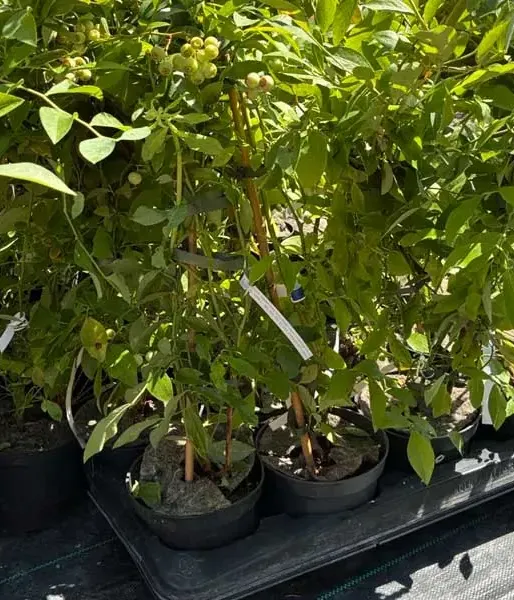
Mulberry (Morus alba) SANGUE E LATTE
Mulberry (Morus alba) SANGUE E LATTE
New
Mulberry (Morus alba) SANGUE E LATTE
Specifications
Height at sale80-100cm
PotC2
Ripening timeJuny-August
The standard delivery time for Germany is 3-5 working days.(except for goods "On request")
We send goods on Monday, Tuesday, Wednesday, by agreement also Thursday or Friday.
Price
34.90€
Ex Tax: 30.88€
  • Stock: In Stock
  • Model: Morus macroura

White Mulberry (Morus alba) - Variety 'Sangue e Latte'

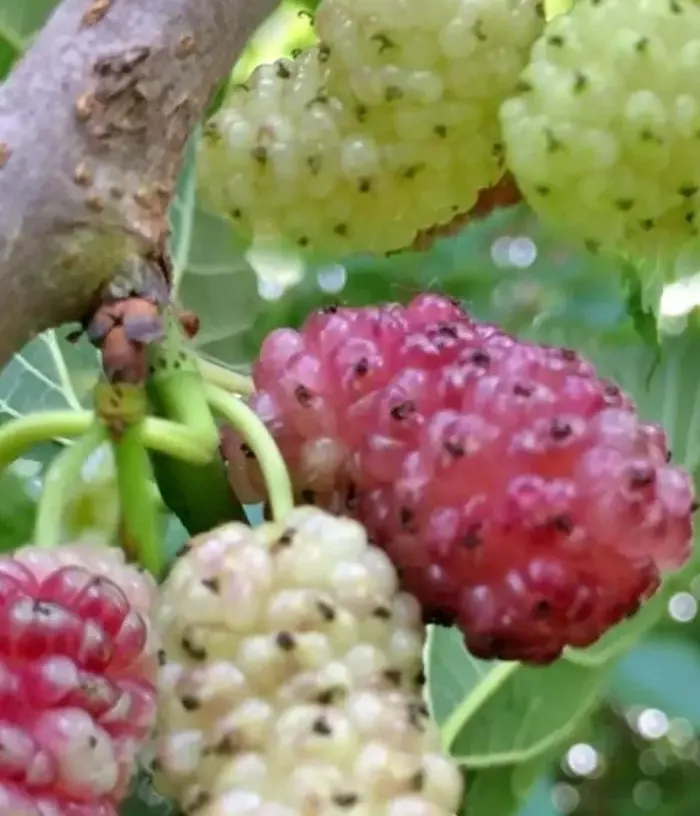
'Sangue e Latte' (translated as Blood and Milk) is an ancient, rare, and extremely fascinating Italian mulberry variety. It owes its evocative name to the unique color variability of its fruits, which create a breathtaking contrast between snow-white and ruby-red on the same tree – and often on the same fruit.


White Mulberry (Morus alba) 'Sangue e Latte'

It is a robust, long-lived tree that provides not only excellent shade but also a rich harvest of extremely sweet fruits.

Main advantages of the variety:

  • Unique, two-toned appearance of the fruits (white-red).
  • Extremely sweet, refreshing taste.
  • High and abundant yield.
  • Absolute undemandingness and adaptability to soil.
  • Excellent drought tolerance (in mature trees).
  • High frost resistance (down to -20 °C).
  • Forms a dense canopy, ideal for potential shading.
  • Historical value (old variety).
Origin and Breeding
  • Botanical classification: White mulberry (Morus alba).
  • Origin of species: China.
  • History of the variety: It is an old and sought-after Italian cultural variety that has been preserved thanks to its exceptional visual and taste quality.
Detailed variety description: Tree and Pollination
  • Vigor: Strong and vital.
  • Habit: Forms a dense, rounded, and very shady canopy. It is an ideal tree for creating pleasant shade in the garden.
  • Foliage: Leaves are deciduous, large, heart-shaped, or lobed. They have a vibrant, intense green color (turning yellow in autumn).
  • Blooming: Blooms in spring (April - May) with inconspicuous, odorless green flowers.
Fruits
  • Appearance and color (Unique feature): The fruits feature suggestive chromatic variability. On the same tree, and often on the same fruit, you will find shades ranging from snow-white (milk) through pink, intense ruby-red (blood) to dark purple. This color contrast creates a unique visual effect.
  • Taste: Extremely sweet. The flavor profile represents a perfect balance between the sugary gentleness typical of white mulberry and mildly acidic notes reminiscent of black mulberry. The fruits are juicy and refreshing.
Cultivation properties and characteristics
  • Phenology:
    • Ripening: Sources slightly differ: One paragraph mentions ripening in August, while the technical specification states harvest in early summer (June - July). In practice, mulberries ripen gradually over a longer period in summer.
    • Yield: In late spring/early summer, the tree produces a very abundant crop.
    • Use: Excellent for direct fresh consumption straight from the tree. They are also perfect for preparing fruit salads, jams, ice cream, and traditional syrups. In garden architecture, the tree is used as a solitaire, in group plantings, or for avenues.
  • Resistance and requirements:
    • Frost resistance: Very good. The tree is extremely rustic and tolerates winter frosts down to -20 °C without problems. The ideal growing temperature is 15 °C to 28 °C.
    • Location: Prefers full sun (for maximum ripening and sugar accumulation in the fruits), but also tolerates partial shade well.
    • Soil: Highly adaptable. Grows well in loose, sandy, loamy, as well as calcareous soils; good permeability (drainage) is the only condition.
    • Moisture and drought: Watering is only necessary in the first years after planting and during extreme summer drought. Once the tree is well-established, it develops a root system and achieves excellent tolerance to drought.
    • Agrotechnics (Pruning and nutrition): Does not require excessive fertilization (organic fertilizer at the end of winter is sufficient). Pruning is carried out in late winter (early spring) to remove dead wood, thin out the center of the canopy, and keep the tree in the desired size (can easily be kept smaller).

Drawbacks of the variety:

  • Vigorous growth (if pruning is neglected, it can grow to large sizes, making harvesting difficult).

Write a review

Note: HTML is not translated!
Rating
Bad Good
reCAPTCHA verification failed! Please try again.
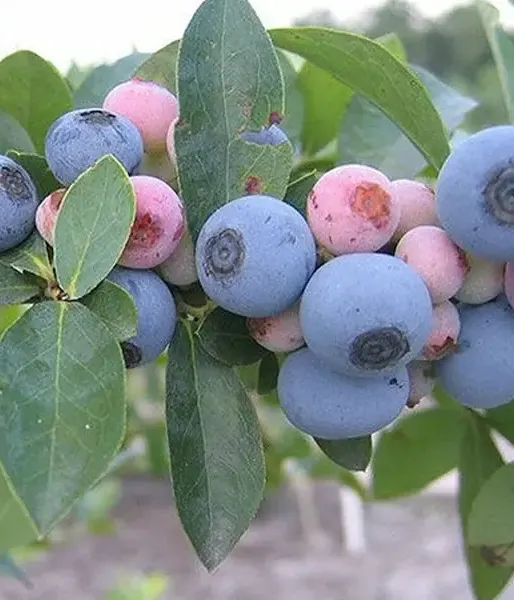
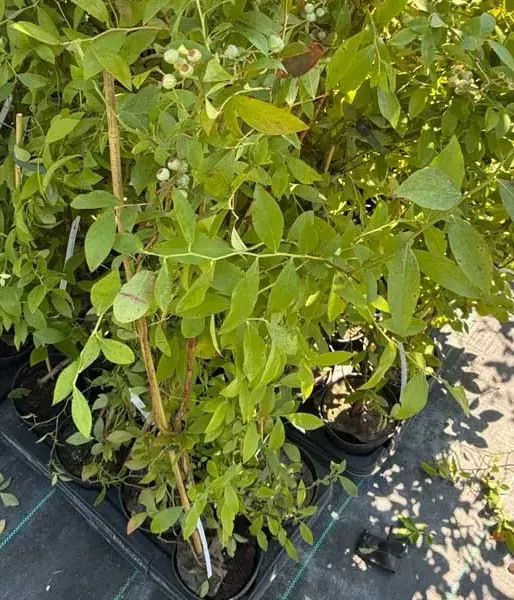
Blueberry (Vaccinium virgatum) 'Tifblue' Legendary and exceptionally productive late variety, the historical industry standard. 'Tifblue' is arg..
Price
19.90€
Ex Tax:17.61€
Add to Cart
Brand: Tutifruti
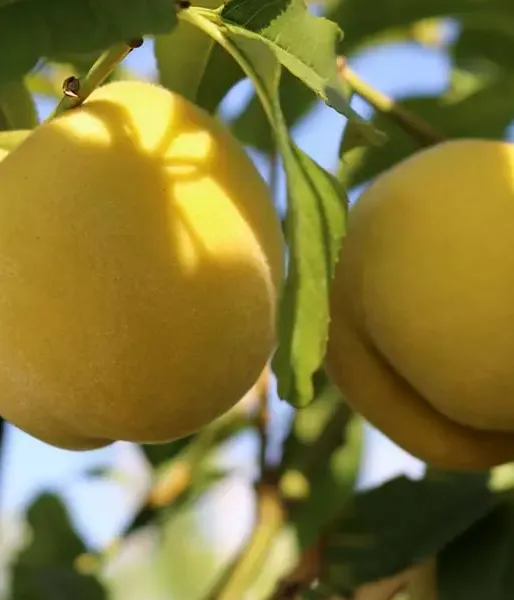
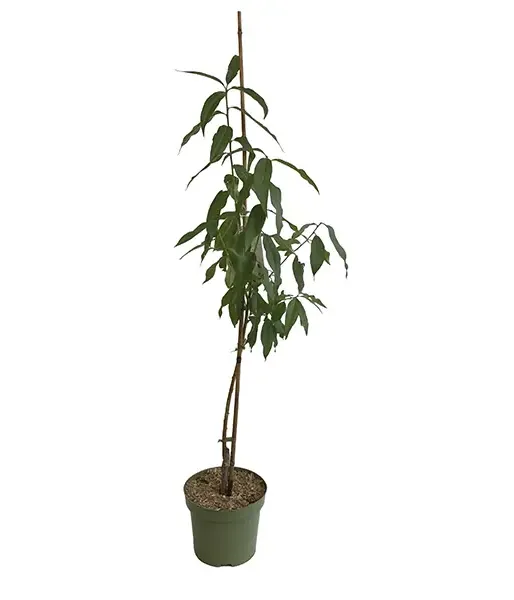
The Honey Peach variety "HONEYSUN" is a cross between a peach and an apricot. This new fruit variety offers a fresh and amazing taste exper..
Price
39.00€
Ex Tax:34.51€
Add to Cart
Blueberry (Vaccinium virgatum) 'Powder Blue' Improved late Rabbiteye variety with exceptionally firm fruits. 'Powder Blue' is a variety from Nor..
Price
19.90€
Ex Tax:17.61€
Add to Cart