Cart

Pawpaw (Asimina triloba) WABASH®

Pawpaw (Asimina triloba) WABASH®
New
Pawpaw (Asimina triloba) WABASH®
Specifications
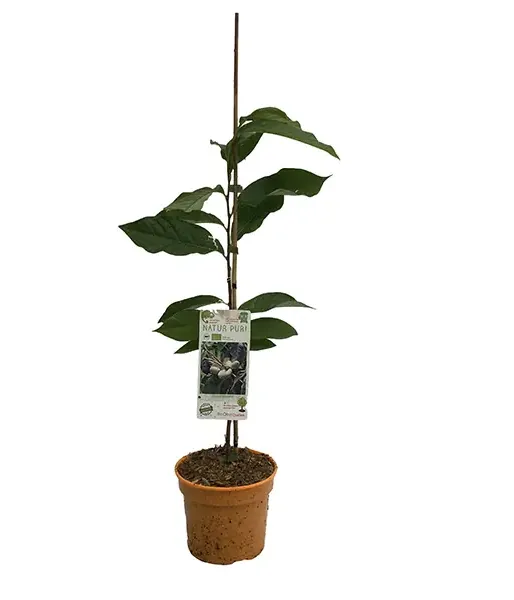
Height at sale80-100cm
Pot3l
Rootstockseedling
Sell as2 year old
Ripening timeSeptember
The standard delivery time for Germany is 3-5 working days.(except for goods "On request")
We send goods on Monday, Tuesday, Wednesday, by agreement also Thursday or Friday.
Price
68.00€
Ex Tax: 60.18€
  • Stock: In Stock
  • Model: Asimina triloba
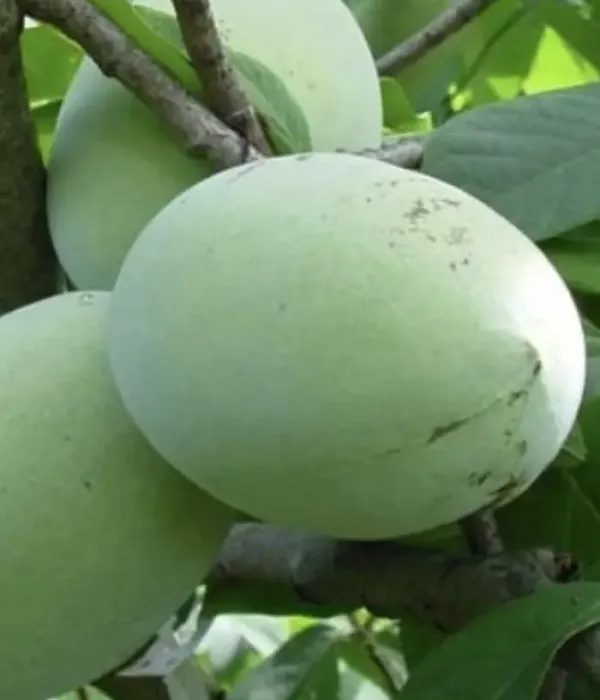
Pawpaw 'Wabash®'

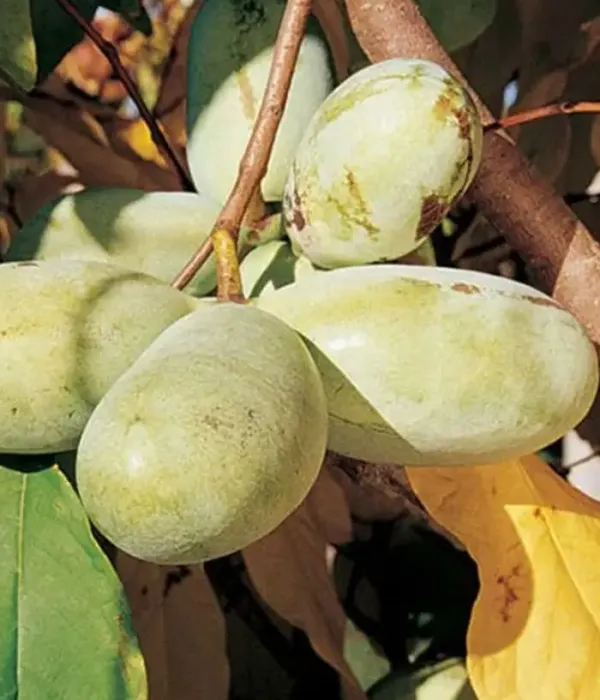
'Wabash®' is a premium, patented variety from the workshop of world-renowned breeder Neal Peterson. It is a true "heavyweight" and the gold standard for gourmets, confirmed by winning the "Best Pawpaw" title at the prestigious Ohio Pawpaw Festival in 2023.


Pawpaw 'Wabash®'

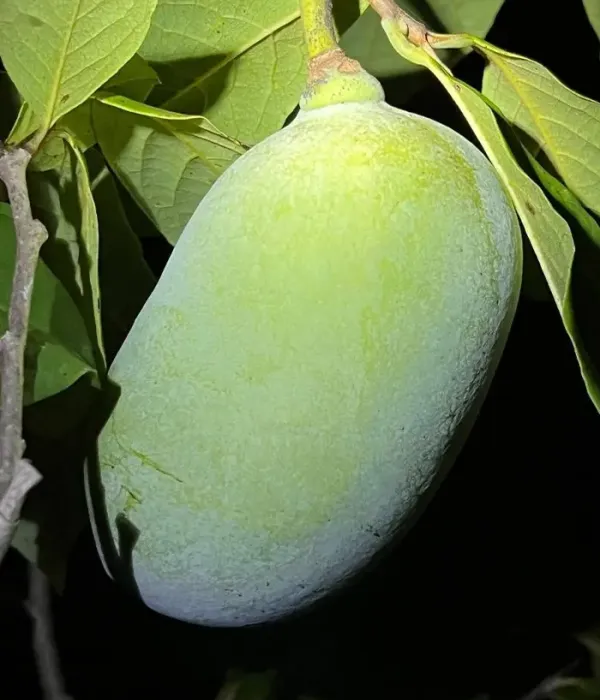
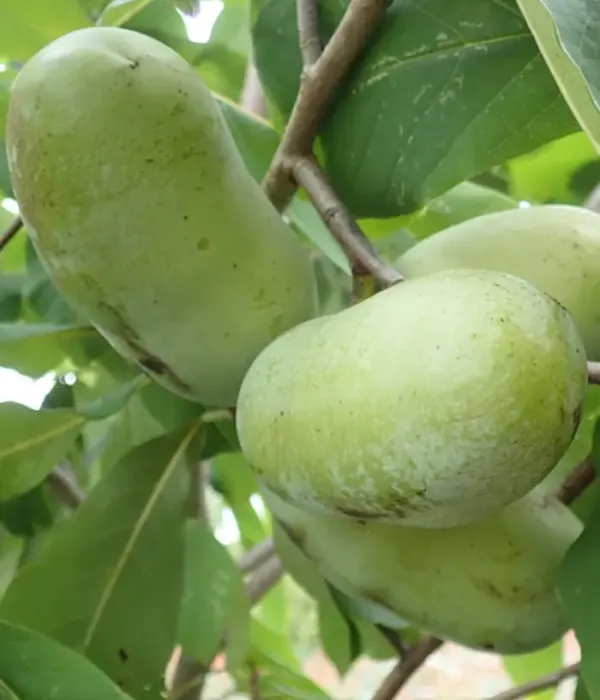
It stands out with huge, round fruits (nicknamed "cannonballs"), extreme sweetness with caramel notes, and an exceptionally low seed ratio. It is an elite variety for demanding growers and local markets where absolute quality is preferred.

Main advantages of the variety:

  • Top-quality, award-winning taste (tropical fruit with caramel, 24 °Brix).
  • Large, visually attractive round fruits ("cannonballs").
  • Extremely low seed ratio (only 6%) and silky flesh texture.
  • Good and stable yield of a mature tree.
  • High frost resistance (USDA zone 5).
Origin and Breeding
  • Origin: USA. It is a seedling originating from the Blandy Experimental Farm.
  • Breeder: Neal Peterson (Peterson Pawpaws). The variety is the result of decades of selection pressure on fruit size, texture, and taste.
  • Name: The variety was named by Neal Peterson at the urging of Dr. Kirk Pomper of Kentucky State University (KSU), whose favorite tree this was. It received the name 'Wabash' because its round fruits resemble cannonballs.
  • Registration: It is a protected, registered variety.
Detailed variety description: Tree and Pollination
  • Vigor: Medium strong. At maturity, it reaches a height of 4 to 6 meters. Agrotechnical note: Some growers (e.g., Ron Powell) report that this variety is harder to graft and grows slower in the nursery. In some warmer areas of the USA, slower growth has been recorded, suggesting it prefers milder climate zones (USDA 6 and below).
  • Habit: Firm and robust branching.
  • Pollination: The variety is cross-pollinated. For optimal yield, it requires cross-pollination by another variety.
Fruits
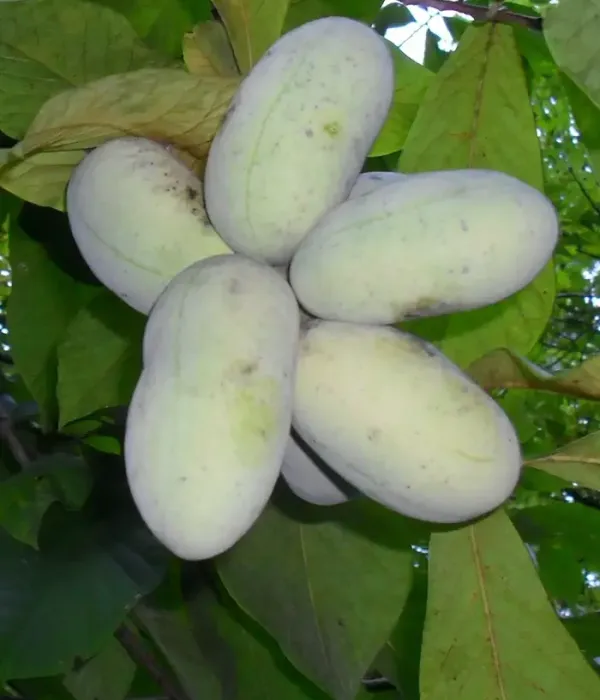
  • Size and weight: Large to massive. The average weight is around 185 g, with top specimens reaching up to 340 g.
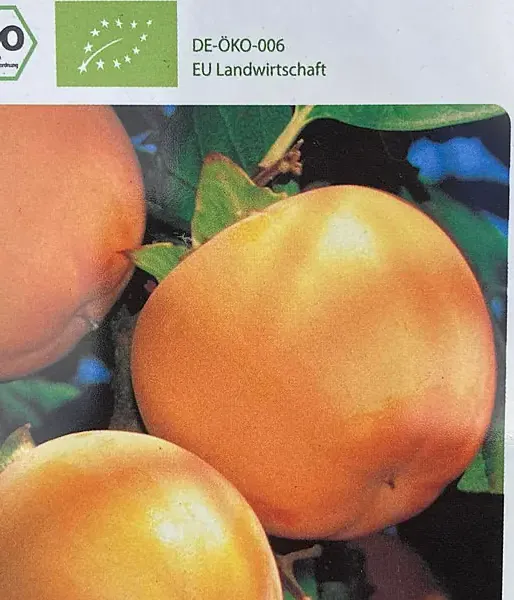
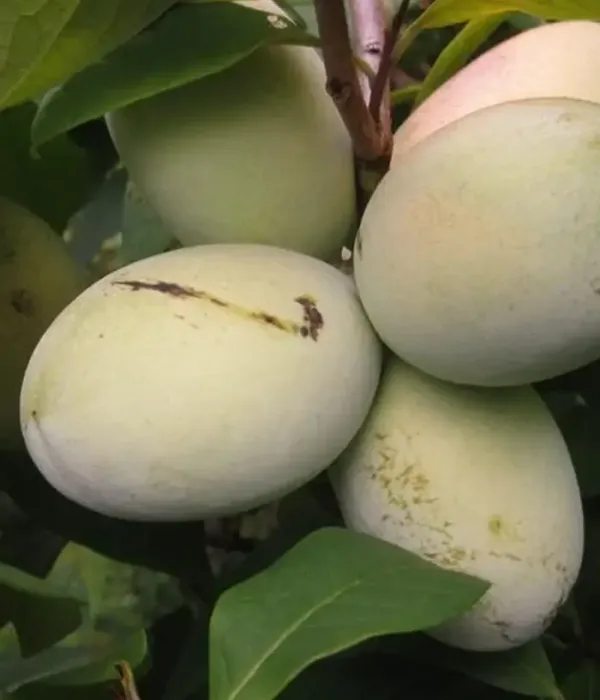
  • Shape (Unique feature): Distinctly round, resembling a cannonball.
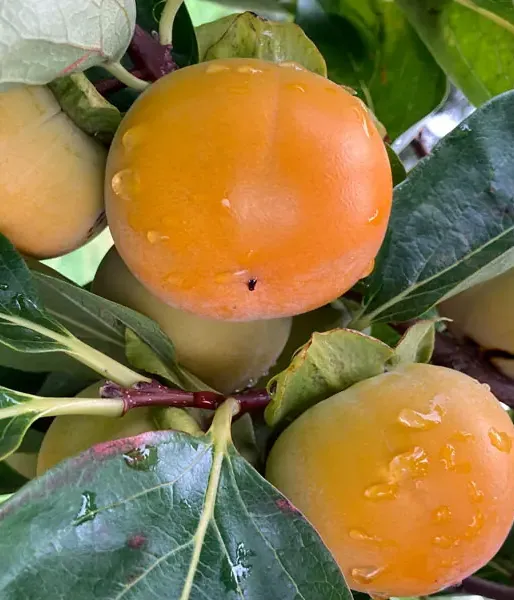
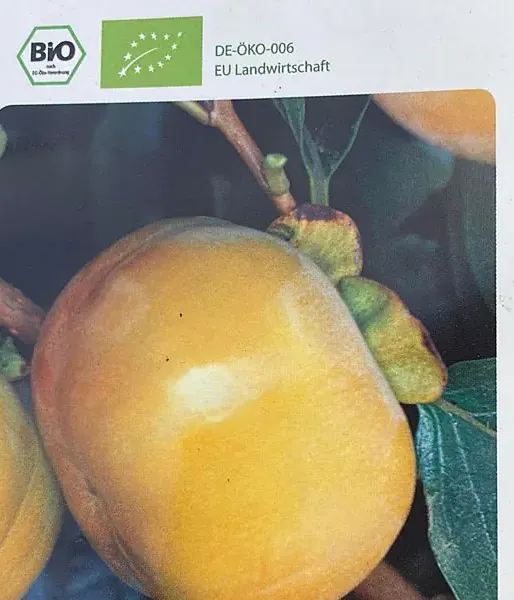
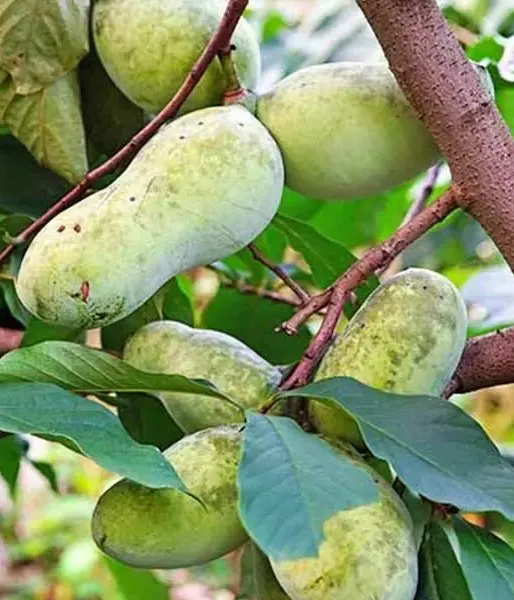
  • Color and skin: The skin is thin and beautiful. When fully ripe on the tree, it acquires a golden-yellow hue. Note: The thin skin requires gentle handling during harvest.
  • Flesh: Deep yellow-orange. The texture is professional, silky smooth, creamy, and medium firm. It completely lacks the grittiness that occasionally occurs in wild varieties.
  • Seeds (Key advantage): Extremely low seed ratio – only approx. 6% of the fruit weight. This maximizes the amount of edible flesh.
  • Taste and aroma: Excellent, sweet, and rich. It is characterized by a high sugar content (measured 24 °Brix) and a complex aromatic profile. The taste is described as tropical mango with distinct notes of burnt caramel in the finish.
Cultivation properties and characteristics
  • Phenology:
    • Ripening: Mid-late to late variety. Ripens from late August to September (depending on climatic conditions).
    • Yield: Good and stable. According to KSU data, a mature tree produces an average of 65 fruits. Note: The tree takes longer to reach full fruiting.
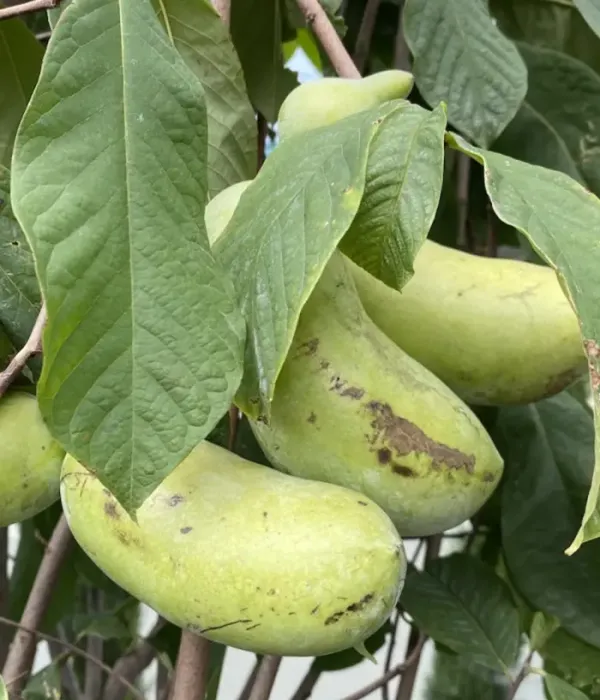
    • Harvest and handling: Due to the thin skin, the fruits are more susceptible to damage. Important: In some (especially very wet) years, the fruits have a tendency to crack. To prevent this, it is recommended to harvest them as soon as they start to soften.
  • Resistance and requirements:
    • Frost resistance: Fully frost-hardy in USDA zones 5-8.
    • Climate: It thrives best in a humid temperate climate (similar to the American Midwest or Central Europe).

Drawbacks of the variety:

  • Tendency of fruits to crack in wet years (requires timely harvesting).
  • Thin skin (fruits are delicate to handle and transport).
  • Slower growth and later onset of fruiting.
  • Cross-pollination (strictly requires planting with another pawpaw variety to ensure a crop).
  • Licensed protected variety.

Write a review

Note: HTML is not translated!
Rating
Bad Good
reCAPTCHA verification failed! Please try again.
Hurmi Kaki FUYU is one of Japan's large-fruited varieties, popular because the fruit can be eaten directly from the tree when ripe. In our country, it..
Price
39.00€
Ex Tax:34.51€
Add to Cart
Hurmi Kaki ROJO BRILLANTE is one of the Japanese large-fruited varieties, popular because the fruit is of the highest quality. In our country it can b..
Price
39.00€
Ex Tax:34.51€
Add to Cart
Brand: Tutifruti
Jujube (Ziziphus jujuba), also known as Chinese date, is an interesting exotic plant that is easy to cultivate in our conditions. In the Mediterranea..
Price
29.00€
Ex Tax:25.66€
Add to Cart
Persimmon (Diospyros kaki) 'Shinshu' A premium Japanese variety with exceptionally high-quality and tasty fruits. 'Shinshu' is a top-tier Japane..
Price
49.90€
Ex Tax:44.16€
Add to Cart