Cart

Pawpaw (Asimina triloba) REBECCA'S GOLD
Pawpaw (Asimina triloba) REBECCA'S GOLD
New
Pawpaw (Asimina triloba) REBECCA'S GOLD
Specifications
Height at sale80-100cm
Pot3l
Rootstockseedling
Sell as2 year old
Ripening timeSeptember/October
The standard delivery time for Germany is 3-5 working days.(except for goods "On request")
We send goods on Monday, Tuesday, Wednesday, by agreement also Thursday or Friday.
Price
68.00€
Ex Tax: 60.18€
  • Stock: In Stock
  • Model: Asimina triloba
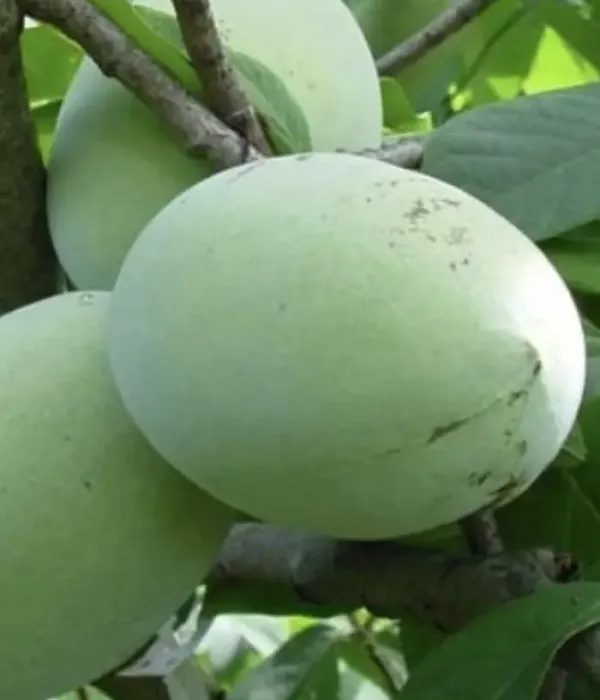
Pawpaw 'Rebecca's Gold'

'Rebecca's Gold' is a historical pawpaw variety that represents the absolute peak of sweetness. It is a variety for true enthusiasts looking for the richest, sweetest, and juiciest experience from this fruit and who do not mind its softer texture.


Pawpaw 'Rebecca's Gold'

Although modern commercial hybrids prioritize firmness and shelf life, 'Rebecca's Gold' remains an unsurpassed "candy" for home gardens and direct consumption.

Main advantages of the variety:

  • Extreme sweetness (up to 24 °Brix) and a fantastic, rich taste (caramel, honey).
  • Very juicy, soft flesh without fibers (ideal for processing and purees).
  • Low seed ratio (6.8%).
  • Reliable yield and undemanding, spreading tree growth.
  • Historically proven, stable variety.
Origin and Breeding
  • Origin: USA (Bellevue, Michigan / Northern California).
  • Breeder/Discoverer: J. M. Riley. The variety was selected in 1974 from seeds that came from the well-known grower Corwin Davis.
  • History: It is one of the "old guard" varieties that has been in cultivation for over half a century. It represents an era when extreme sweetness was the main criterion for selection.
Detailed variety description: Tree and Pollination
  • Vigor: Medium strong, vigorous.
  • Habit: Forms a standard, rounded, and spreading crown. It does not have extreme vertical dominance (does not grow as sharply upwards) as some modern varieties, which facilitates harvesting. The tree is easy to maintain.
  • Pollination: The variety is cross-pollinated (requires cross-pollination by another variety).
Fruits
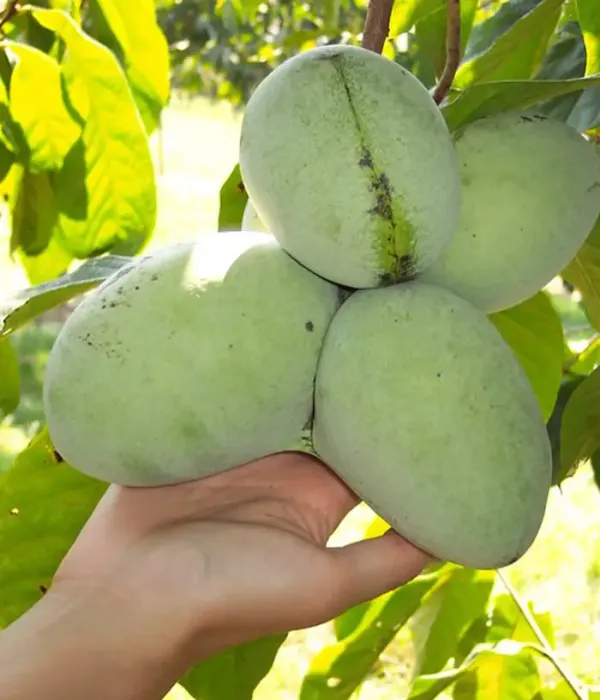
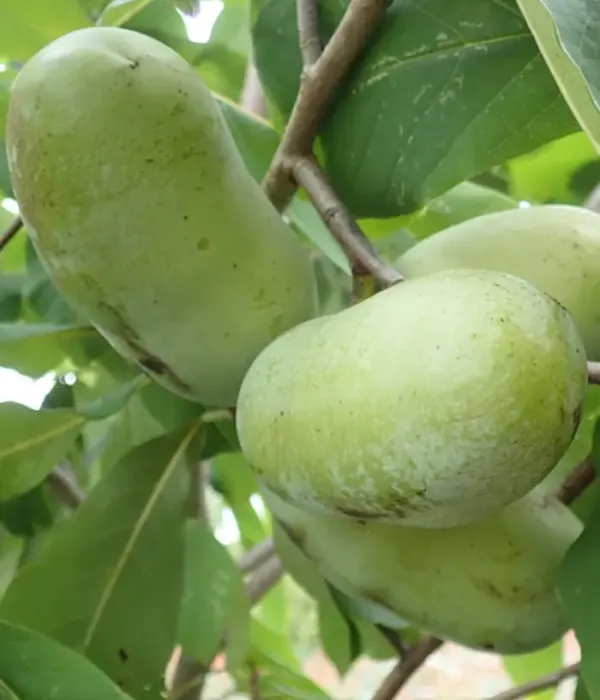
  • Size and weight: Medium to large. The average weight ranges from 108 to 226 g (a German test reports many fruits between 200 and 300 g). Interesting fact: Although often described as a smaller variety, under optimal conditions it can produce huge fruits. Grower Ron Powell recorded fruits weighing over 450 g.
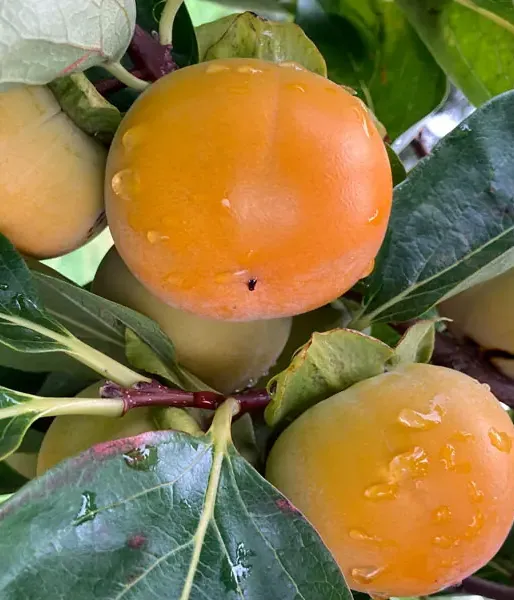
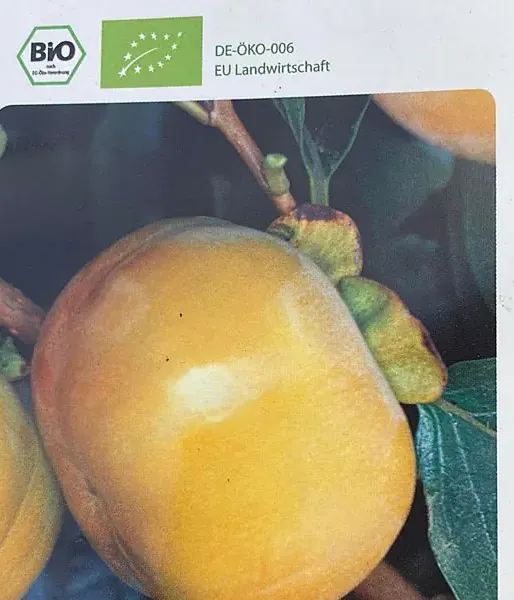
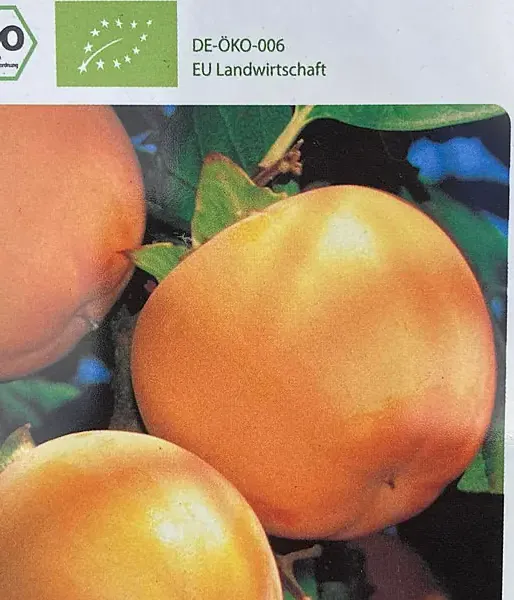
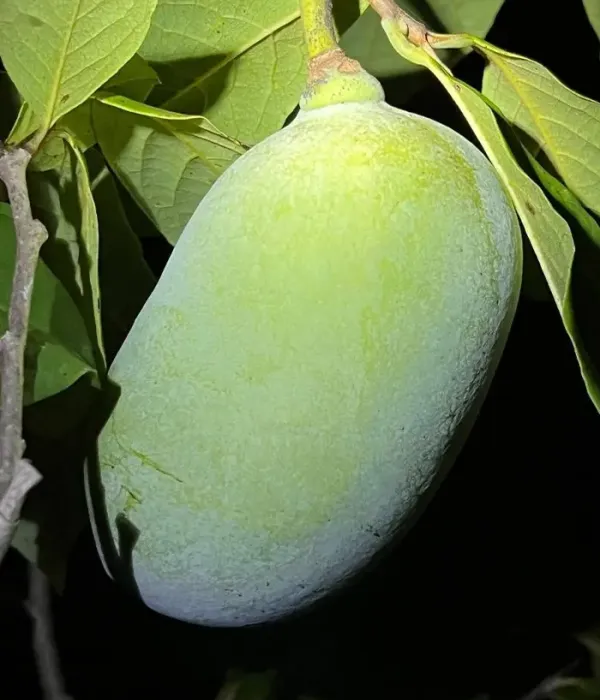
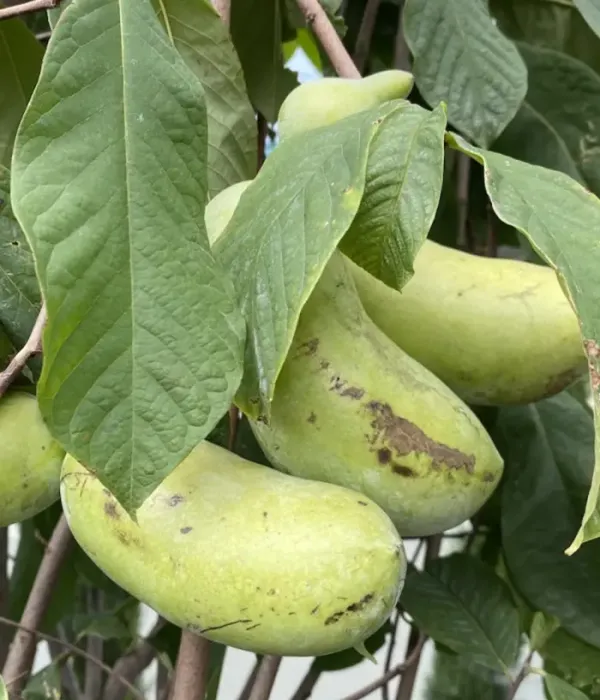
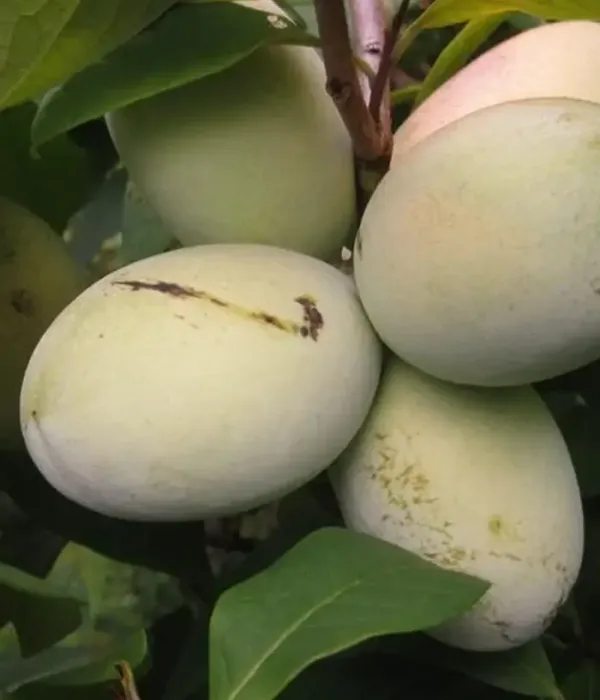
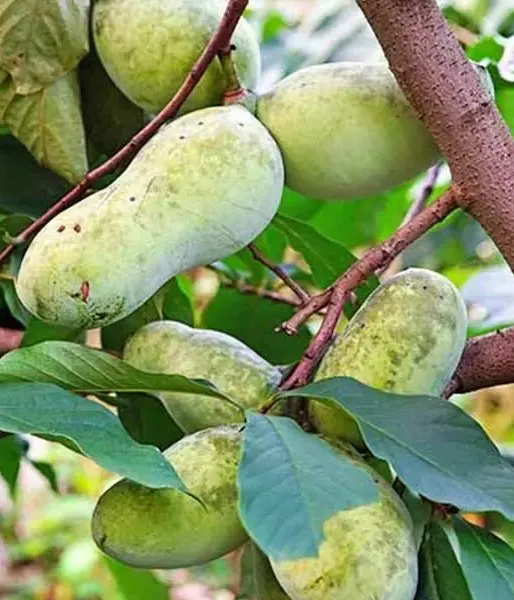
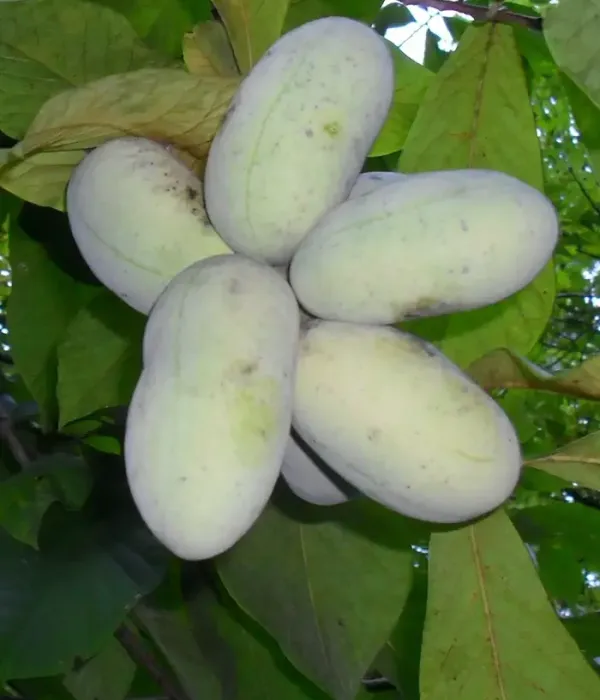
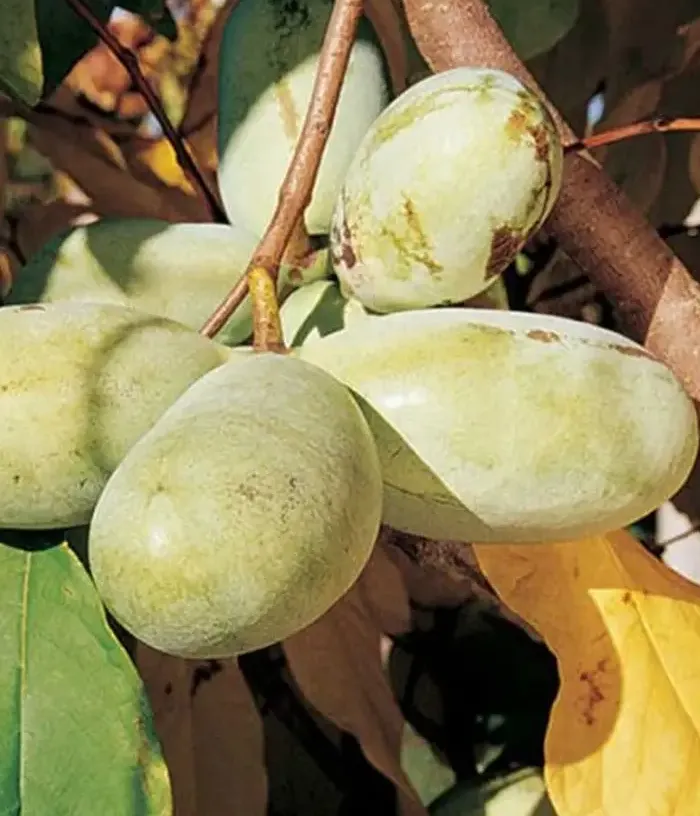
  • Shape: Bean-shaped (kidney-shaped).
  • Color and skin: The skin is very thin and delicate.
  • Flesh (Specific feature): Bright yellow. The texture is extremely soft, very juicy. It lacks structural stringiness, making it easy to scoop out with a spoon.
  • Seeds: Low seed ratio (a German test reports 6.8% with an average of 10 seeds per fruit).
  • Taste and aroma: Extremely sweet (Brix reaches 21.4 to 24 °). The taste is intensely tropical with a long-lasting caramel-honey finish. German tasters rate it as very tasty, without any bitterness, with a delicate aroma and an excellent mouthfeel.
Cultivation properties and characteristics
  • Phenology:
    • Ripening: Late variety. Ripens from mid-September to October. It is a great variety for extending the harvest season. Note for more northern areas: Requires the warmest and sunniest spot in the orchard so the fruits have time to fully ripen before the first frosts.
    • Yield: Reliable and regular, although the total crop weight may be slightly lower than with modern "jumbo" hybrids.
  • Harvest, handling, and use:
    • Harvest and handling (Critical point): Due to the very thin skin and soft flesh, the variety is absolutely unsuitable for commercial transport. The fruits require extremely gentle handling (harvest baskets with soft lining are recommended). Harvest rule: Fruits must be picked from the tree before they drop naturally. If the fruit falls to the ground, it usually turns to mush.
    • Shelf life: Very low. The variety has a high activity of the polyphenol oxidase enzyme, which means that upon any bruising, the fruits oxidize (darken) very quickly. They are intended for immediate local consumption or quick processing.
    • Use: Ideal for direct consumption (scooping with a spoon) and thanks to the high sugar content and soft texture, it is absolutely perfect for processing (jams, purees, ice cream).
  • Resistance and requirements:
    • Frost resistance: Fully frost-hardy in USDA zones 5-8.

Drawbacks of the variety:

  • Very poor shelf life and transportability (fruits darken and spoil quickly).
  • Too soft flesh and thin skin (fruits often turn to mush when dropped on the ground).
  • Late ripening (in cooler regions with short summers, there is a risk that the fruits will not ripen in time).
  • Cross-pollination (strictly requires planting with another pawpaw variety to ensure a crop).

Write a review

Note: HTML is not translated!
Rating
Bad Good
reCAPTCHA verification failed! Please try again.
Hurmi Kaki FUYU is one of Japan's large-fruited varieties, popular because the fruit can be eaten directly from the tree when ripe. In our country, it..
Price
39.00€
Ex Tax:34.51€
Add to Cart
Hurmi Kaki ROJO BRILLANTE is one of the Japanese large-fruited varieties, popular because the fruit is of the highest quality. In our country it can b..
Price
39.00€
Ex Tax:34.51€
Add to Cart
Brand: Tutifruti
Jujube (Ziziphus jujuba), also known as Chinese date, is an interesting exotic plant that is easy to cultivate in our conditions. In the Mediterranea..
Price
29.00€
Ex Tax:25.66€
Add to Cart
Persimmon (Diospyros kaki) 'Shinshu' A premium Japanese variety with exceptionally high-quality and tasty fruits. 'Shinshu' is a top-tier Japane..
Price
49.90€
Ex Tax:44.16€
Add to Cart