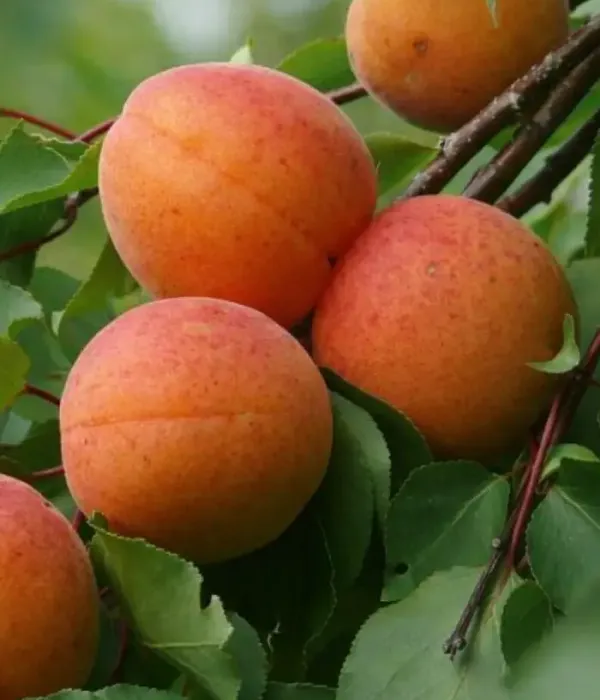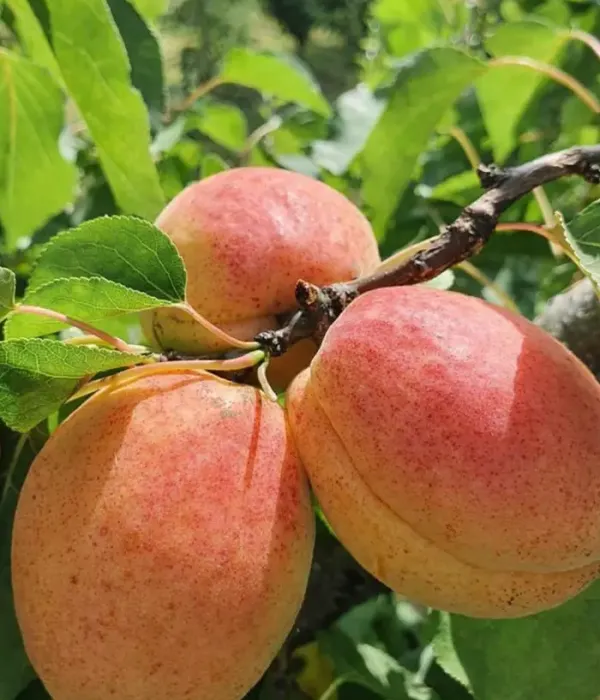


Apricot Varieties Guide: Cold-Hardy, Premium, and Disease-Resistant Jewels from Across Europe
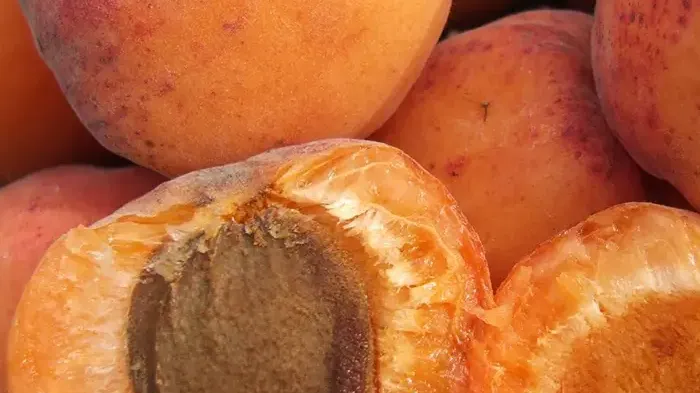
Apricot Varieties Guide: Cold-Hardy, Premium, and Disease-Resistant Jewels from Across Europe
Sweet Gold for Every Garden
Apricots are the symbol of true summer. However, growing them often encounters obstacles such as late spring frosts or the dreaded Plum Pox Virus (PPV). Breeders across Europe have therefore joined forces to create varieties that overcome these hurdles. In this guide, we will introduce you to twelve exceptional cultivars that combine the best of French elegance, Romanian resilience, and Nordic cold hardiness from Latvia.
Whether you are looking for an extra-early variety to open the season, a PPV-resistant tree, or a superfood packed with vitamin C, you will find exactly what your garden needs in our selection. Let's take a look together at the stories and characteristics of these orange jewels.
Quick Overview: When Can You Expect the Harvest?
For better orientation, we have divided the varieties according to their ripening time:
- Extra early and early (May - June): Spring Blush®, Tsunami®, Rareș, Tudor, Viorica
- Mid-early (July): Lady Cot, Bergeval® Aviclo, Dimaija
- Late (August): Favorit, Litoral, Olimp
1. French Apricot 'Bergeval® Aviclo'
This mid-early French variety, bred at the INRA research center in Avignon by crossing the 'Orangered® Bhart' and 'Bergeron' varieties, is a true visual and gustatory jewel. The tree grows with medium to strong vigor and forms a semi-upright crown with long fruiting branches. From an agrotechnical point of view, it is recommended to prefer short pruning aimed at short fruiting wood (so-called May bouquets). It blooms very abundantly in the mid to late period, and a huge advantage is its self-fertility.
In mid-July (about a week after the 'Orangered' variety), medium to large spherical fruits weighing up to 80 grams ripen. Their bright orange skin is covered on half of its surface by a bright to dark red color. The orange flesh is medium-firm, very juicy, and easily separates from the pit (freestone). The taste is highly aromatic, with a higher sugar content and an excellently balanced acid ratio, achieving a great taste even before full maturity. The skin can be slightly tart, but this does not spoil the overall impression.
Interesting fact: 'Bergeval® Aviclo' possesses valuable genetic resistance to the Plum Pox Virus (PPV) and is highly resistant to frost in the wood and during flowering. However, it should be noted that it is not suitable for long-term cold storage, where there is a risk of internal damage (chilling injury) and flesh stringiness. It is therefore ideal for direct sales and local markets.
2. Latvian Apricot 'Dimaija'
Sometimes the impossible becomes reality. 'Dimaija' is a new, extremely cold-hardy Latvian variety that is the result of a long-term breeding program at the Institute of Horticulture in Dobele. The tree has an upright growth, forms a narrower crown, and is characterized by very healthy wood. It blooms mid-early to late, with the flower buds being distinctly pink before opening. The variety was selected with self-fertility in mind and shows good resistance to fungal diseases, especially shot hole disease and Monilia fruit rot.
At the turn of July and August, large (for Nordic conditions), very uniformly shaped, and round fruits ripen. The light orange, slightly matte skin is decorated on the sunny side with a medium-sized red blush. The yellow flesh is medium-firm, fine-grained, and aromatic, with the pit separating very well from it. The taste is good and harmonious, although with a slightly lower sugar content (11.3 °Brix) and a higher proportion of acids compared to other Latvian varieties.
Superfood from the North: 'Dimaija' is the absolute leader in the content of biologically active substances. It has the highest content of total polyphenols, flavonoids, and vitamin C (up to 148.3 mg/100g of dry matter). When dried or candied, it retains these antioxidants, but due to their extreme amount, it can acquire a specific, slightly bitter and spicy aftertaste.
3. Romanian Apricot 'Favorit'
This Romanian variety, registered in 1986-1987, was created by self-pollination of the Mărculești hybrid. The tree grows with medium vigor and forms a wide crown that is well covered with short fruiting shoots. It comes into bearing in the fourth year after planting and brings good yields of around 35 to 40 kg per tree.
'Favorit' is a late variety, with fruits ripening in the second decade of August. They are large to very large (60 – 65 g) and have an ovoid shape. The orange skin is covered on half of its surface by a pink-red color. The orange flesh is firm, medium juicy, and offers a very pleasant, balanced taste with an intense aroma. The pit easily separates from the flesh. The variety is resistant to temperature fluctuations, resists Monilia and Alternaria well, and is tolerant to the Plum Pox Virus (PPV).
4. French Apricot 'Lady Cot'
'Lady Cot' is a protected French variety from COT INTERNATIONAL. The tree grows with medium to strong vigor and forms a semi-upright to spreading crown with good branching. It blooms mid-early and is self-fertile, although the presence of other varieties (e.g., 'Dacia' or 'Bergeron') can increase the yield even further. It is characterized by high and regular productivity.
It is a mid-late variety that ripens around July 10. The fruits are large, oval, and visually extremely attractive. The bright orange skin is covered on 30 to 50% of its surface by a rich, dark red color and is resistant to cracking. The flesh is very firm, sweet, juicy, and aromatic, with a low to medium acid content. Thanks to their firmness, the fruits are excellent for transport and storage.
5. Romanian Apricot 'Litoral'
'Litoral' is a Romanian variety registered in 1982. The tree has weak to medium-strong growth and forms a broadly spherical crown. It comes into bearing very early, already in the second to third year after planting, and is characterized by high and regular productivity. It is self-fertile, but the yield increases in the presence of pollinators such as 'Rareș'.
The fruits ripen late, in the second decade of August. They are large (averaging 60 g), elongated-ovoid, and slightly flattened. The lemon-yellow to yellow-orange skin is decorated on the sunny side with red dots and stripes. The yellow flesh is fine, medium juicy, and offers a pleasant, sweet, and aromatic taste. The pit is separable from the flesh and hides a sweet kernel. The variety is resistant to winter and late spring frosts, drought, and has very good disease resistance.
6. Romanian Apricot 'Olimp'
This Romanian variety from 1984 grows with weak to medium vigor and forms a spherical to obconical crown. It bears predominantly on bouquet spurs and comes into bearing in the third year after planting. It is partially self-fertile, so pollinators like 'Favorit' are recommended for a better yield. Productivity is high and regular.
'Olimp' ripens late, between August 10 and 12. The fruits are large (65 – 75 g), round-ovoid, and slightly flattened. The orange-pink to yellow-orange color is dotted with carmine-red spots on the sunny side. The light orange flesh is firm, juicy, and offers a balanced, sweet-sour taste with an intense aroma. The variety is cold-hardy and resistant to Monilia and the Plum Pox Virus (PPV).
7. French Apricot 'Pinkcot® Cotpy'
'Pinkcot® Cotpy' is a protected French variety, highly valued for its high resistance to spring frosts during flowering. The tree grows with medium to strong vigor and forms a semi-spreading crown that naturally opens under the weight of the fruits. It blooms abundantly and for a long time in the early to mid-period. It is primarily cross-pollinating, so it requires partners like 'Tom Cot®' or 'Spring Blush®'.
It ripens very early to mid-early (about 10-11 days before the 'Velkopavlovická' variety). The fruits are very large (around 80 to 85 g), spherical, and smooth. The matte yellow-orange color is covered on 50 to 70% of the surface by an intense, solid red blush. The light orange flesh is very firm, meaty, and juicy, with a good, harmonious, and sweet taste (10.5 - 11.0° Brix). To achieve the best taste, the variety requires lower doses of nitrogen and water. Harvesting must be phased in 3 stages. The fruits have excellent transportability and will last more than 2 weeks in a cold room.
8. Romanian Apricot 'Rareș'
'Rareș' is a Romanian variety from 2002. The tree has weak growth and a medium-wide crown, bearing predominantly on short fruiting shoots. It comes into bearing early, in the third year after planting, and brings good yields of around 30 to 35 kg per tree.
It is a very early variety that ripens as early as the first decade of June. The fruits are large (60 – 70 g) and round-elongated. Their color is an even light yellow-orange with fine raspberry-red dots. The yellow flesh is juicy, of good consistency, and offers a very good, balanced, and pleasantly aromatic taste. The pit is separable from the flesh and hides a sweet kernel with a distinct almond aroma. The variety is cold-hardy and has good resistance to Monilia, Stigmina, Cytospora, and the Plum Pox Virus (PPV).
9. French Apricot 'Spring Blush®'
'Spring Blush®' is a very early, attractive licensed variety from France. The tree grows with medium vigor, has a semi-upright to standard spreading habit, and bears predominantly on short fruiting wood (spurs). It is cross-pollinating; suitable partners are, for example, 'Tsunami®' or 'Tom Cot®'. The variety comes into bearing early and brings very good yields.
It ripens in late May to early June. The fruits are medium to large, spherical-oval. The deep orange basic color is covered on the sunny side by an attractive pink to red blush. The skin is medium-thick, firm, and resistant to damage. The orange flesh is very firm and juicy, with a strongly aromatic, fragrant taste with a slightly tart hint (sugar content reaches 13° Brix). The fruits do not drop before harvest, but harvesting must be phased in 2 to 3 stages. Premature harvesting significantly degrades the taste quality. The variety is susceptible to the Plum Pox Virus (PPV).
10. Romanian Apricot 'Viorica'
'Viorica' is a Romanian variety from 2002. The tree grows with medium vigor, forms a medium-wide crown, and bears on both short and medium-long branches. It blooms mid-early to late and comes into bearing in the third year after planting. Productivity is good, around 30 to 40 kg per tree.
It ripens early, in the third decade of June. The fruits are very large (118 – 127 g), round, and slightly flattened. The color is an intense and even orange. The yellow-orange flesh has a good consistency, is juicy, and offers a balanced taste with a pleasant aroma. The pit is small, round, and its kernel is sweet with an almond aroma. The variety is cold-hardy, has genetic resistance to major apricot diseases, and is tolerant to the Plum Pox Virus (PPV).
11. French Apricot 'Tsunami®'
'Tsunami®' is an extremely early, protected licensed variety that opens the apricot season with premium fruit. The tree grows with medium to strong vigor and has a semi-upright habit. It blooms normally and regularly, about 2 to 3 days before the 'Tom Cot®' variety. It is cross-pollinating, so it is recommended to plant at least two different pollinating varieties (e.g., 'Goldrich', 'Spring Blush®') in the orchard.
It ripens extra early, 5 to 7 days before the 'Early Blush®' variety. For such an early ripening time, the fruits have a very good size, which improves even further as the tree ages. They are spherical-oval, orange, with a very nice, bright, melting red blush on 60 to 70% of the surface. The orange flesh is firm and juicy. The taste is excellent, aromatic, and sweet (12 to 13° Brix), probably the best on the market in this early period. Harvesting must be phased in 2 to 3 stages and must not be started prematurely. Shelf life is exceptionally good for an early variety (2 weeks in the cold). The variety is tolerant to the Plum Pox Virus (PPV).
12. Romanian Apricot 'Tudor'
Our list is concluded by the Romanian variety 'Tudor', registered in 1993. The tree has strong growth and forms an obpyramidal crown. It bears predominantly on bouquet spurs. It blooms early and is cross-pollinating, so it requires the presence of a pollinator. Productivity is rated as good.
'Tudor' is an early variety that ripens in late June. The fruits are medium-sized (40 – 45 g), ovoid, and slightly flattened. The orange color is covered by carmine-red on two-thirds of the surface. The orange flesh is firm, juicy, and offers a very good, sweet-sour taste. The pit is large, separable from the flesh, but its kernel is bitter. The variety is cold-hardy and tolerant to major diseases.
Clear Variety Comparison
| Variety | Ripening Time | Pollination | PPV Resistance | Specific Feature |
|---|---|---|---|---|
| Tsunami® | Extra early | Cross-pollinating | Tolerant | Best taste in the early segment |
| Spring Blush® | Very early | Cross-pollinating | Susceptible | Very firm fruits |
| Rareș | Very early | - | Tolerant | Sweet kernel with almond aroma |
| Viorica | Early | - | Tolerant | Very large fruits (over 118 g) |
| Tudor | Early | Cross-pollinating | - | Bitter kernel |
| Pinkcot® Cotpy | Early to mid-early | Cross-pollinating | - | High frost resistance of flowers |
| Lady Cot | Mid-late | Self-fertile | - | Cracking-resistant fruits |
| Bergeval® Aviclo | Mid-early | Self-fertile | Resistant | Not suitable for long cold storage |
| Dimaija | Mid-early | Self-fertile | - | Extreme antioxidant and Vit. C content |
| Olimp | Late | Partially self-fertile | Resistant | Bears on bouquet spurs |
| Favorit | Late | - | Tolerant | Resistant to temperature fluctuations |
| Litoral | Late | Self-fertile | - | Ideal for processing (18% dry matter) |
Choose the best varieties for your garden
View our offer of premium apricots ➤
Interested in growing cold-hardy and resilient varieties?
Join our community and discuss with experts.
Join the VIP Facebook group HERE ➤
Related Products