

Apple Varieties Guide: Cold-Hardy, Immune, and Columnar Jewels from Eastern Europe (Part 2)
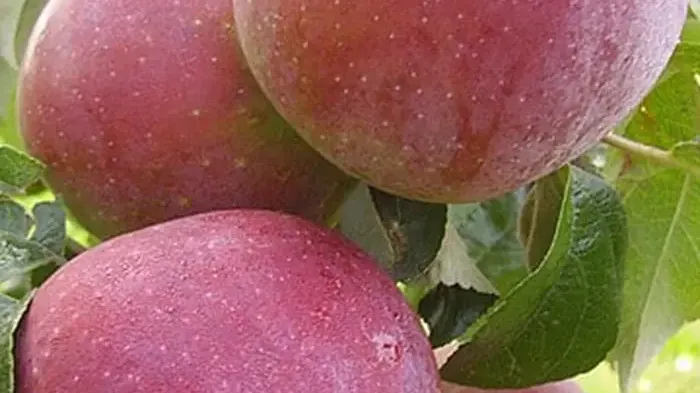
Apple Varieties Guide: Cold-Hardy, Immune, and Columnar Jewels from Eastern Europe
A Tradition That Withstands the Harshest Winters
The apple is the king of our orchards. However, when severe frosts hit or a wave of fungal diseases sweeps through the season, many classic varieties draw the short straw. Breeders from Russia, Belarus, Lithuania, Latvia, and Romania have worked for decades to create apple trees that are not only extremely resilient but also provide premium-quality fruits with incredibly long shelf lives.
In this guide, we will introduce you to nine unique varieties that combine top-tier cold hardiness with immunity to apple scab. Whether you are looking for a tree with a traditional flavor, a compact "spur" type for a small garden, or a modern columnar apple tree that bears fruit in its second year, you are in the right place. Meet the apple trees that will conquer even the most demanding climates.
1. Belarusian Apple 'Alesya' (Алеся)
The 'Alesya' variety is a true masterpiece of the Institute for Fruit Growing of the National Academy of Sciences of Belarus. It was created by crossing the ‘Belorusskoe malinovoe’ and ‘Bananovoe’ varieties in 1972. This tree will particularly appeal to owners of smaller gardens because it is a weak-growing so-called "spur" type. It forms a medium-dense, compact spherical crown and bears fruit predominantly on short fruiting shoots (spurs). It comes into bearing quickly, usually in the third to fourth year after planting, especially if grafted onto a dwarfing rootstock.
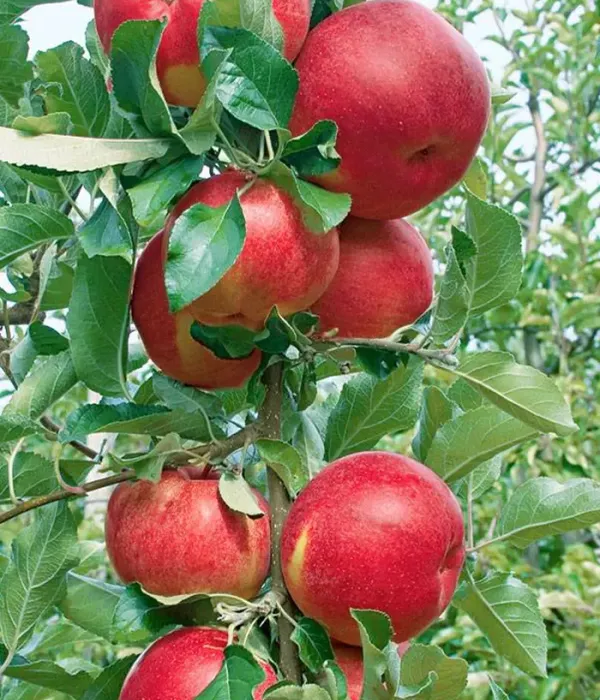
Taste and appearance of fruits: This is a late winter variety, harvested from mid-September to early October. The medium to large flat-round fruits (130 – 180 g) have a smooth, shiny, and waxy skin. While their color is greenish at harvest, it changes to golden-yellow at consumption maturity and is almost entirely covered by a beautiful, bright red blush. The light creamy to white flesh is firm, fine-grained, and immensely juicy. The sweet-sour, harmonious taste with a mild aroma will immediately win you over. Its greatest asset, however, is its extraordinary shelf life – the fruits maintain excellent quality from November all the way to May.
Cultivation and resilience: 'Alesya' is partially self-fertile, with a high and very regular yield. Its cultivation is facilitated by excellent cold hardiness and polygenic resistance to the dreaded apple scab.
2. Columnar Apple 'Antei Kievsky' (Антей киевский)
If you are looking for a modern tree that saves space and requires minimum pruning, the Ukrainian columnar variety 'Antei Kievsky' is an excellent choice. The tree of medium vigor creates an airy, oval-pyramidal columnar crown. It gives you its first harvest incredibly early, often in the second or third year after planting, and subsequently bears fruit abundantly and regularly.
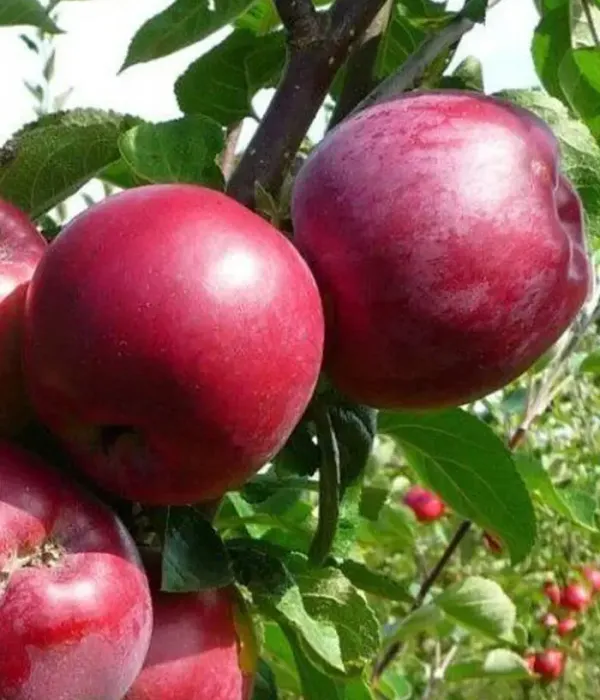
Taste and appearance of fruits: It is a late winter apple harvested in mid-autumn. The fruits are large, with an average weight of 200 to 220 grams, and have a nice round shape. The green base color is distinctly complemented by a dark burgundy blush. The greenish-white, fine-grained flesh is very juicy and provides an excellent, sweet-sour dessert experience. Similar to the 'Alesya' variety, 'Antei Kievsky' also excels in the cellar – the apples can be stored from December all the way to April.
Cultivation and resilience: The variety is very undemanding to grow. It boasts high cold hardiness and surprisingly good drought tolerance. Since it is a cross-pollinating apple tree, do not forget to plant it in the company of another variety. Available information suggests a medium susceptibility to common diseases, so basic preventive care is appropriate.
3. Lithuanian Apple 'Auksis'
'Auksis' is an absolute legend in the Baltics and by far the most popular variety. It was bred by I. Štaras and D. Bulovienė by crossing the famous cultivars ‘McIntosh’ and ‘Gravensteiner’ back in 1951, and its qualities were confirmed by a gold medal from the international horticultural exhibition in Erfurt in 1965. It is a tree of medium-strong growth, reaching a height of 3 to 4 meters, with a medium-dense, broad-conical crown.
Taste and appearance of fruits: This autumn variety is harvested at the beginning of September, and its large (120 – 130 g), flat-round fruits are a real feast for the eyes. The light yellow skin is beautifully colored on the sunny side with a carmine-red blush, stripes, and dots. The yellowish flesh is extremely juicy, and its excellent sweet-sour, aromatic taste is the reason for its massive popularity. The fruits can be easily stored until January or February.
Cultivation and resilience: The variety will reward you with an annual, very rich harvest. It is cross-pollinating (ideal partners are ‘Lobo’, ‘Rubin’, or ‘Ligol’). It is extremely suitable for organic farming, as it is highly resistant to scab, powdery mildew, and bark diseases. Cold hardiness is very good, and it only requires a sunny location with fertile, well-drained soil. As proof of its quality, it is still used today as a parent plant in breeding new classic and columnar varieties.
4. Russian Apple 'Avenarius' (Авенариюс)
This is a true jewel from the past. A folk selection variety, it was obtained by Pastor Avenarius near St. Petersburg. It is also known under the synonyms 'Cukuriņš' or ‘Lietuvos cukrinis rožinis’. On a seedling rootstock, it grows very strongly, forms a dense crown, and can reach a height of up to 8 meters, therefore requiring regular pruning. However, it comes into bearing early, already in the third year.
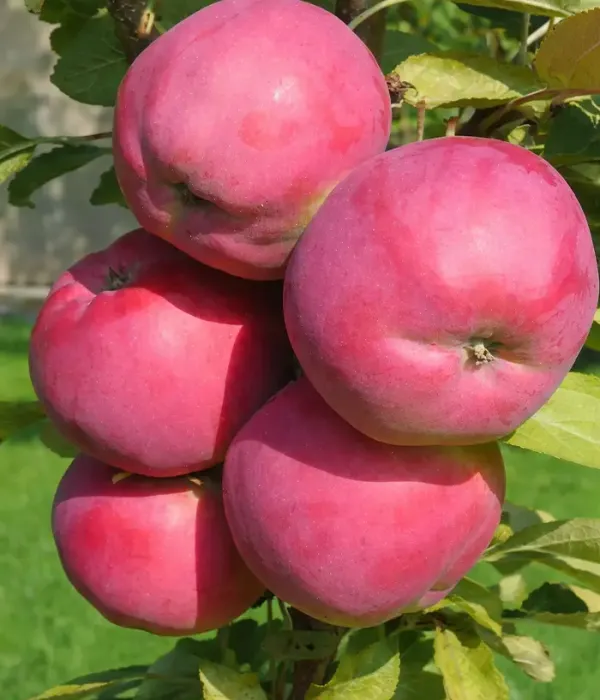
Taste and appearance of fruits: It is a summer variety whose smaller, round-conical fruits (60 – 90 g) ripen from mid-July to mid-August. Their thin, shiny pale-yellow skin with a delicate bluish bloom is covered with a striped pink-red blush. If you are looking for something exceptionally sweet, you have found it – the loose, juicy flesh contains up to 16% sugars and almost no acids (0.2 – 0.8%). The taste is so fantastic that it reaches a tasting score of 4.5 out of 5.
Cultivation and resilience: 'Avenarius' is an indestructible tree – it can handle extreme frosts down to -40 °C and is highly resistant to scab and fungal diseases. It is not demanding on the soil at all. However, it also has its weaknesses: it shows a tendency towards alternate bearing, the fruits have a very short shelf life (only 2-3 weeks), and they drop quickly when ripe, so harvesting requires attention. It is cross-pollinating, with only a low rate of self-fertility.
5. Lithuanian Apple 'Avietinis' (Raspberry Apple)
Also known as 'Beržininkų Avietinis', this old Lithuanian variety grown since the turn of the 19th and 20th centuries still finds a place in the modern orchard today. It is a medium-vigorous tree with a height of around 2.5 meters, which forms a medium-dense crown. It belongs to the very fast-bearing varieties; you can expect the first flowers and fruits already in the second or third year.
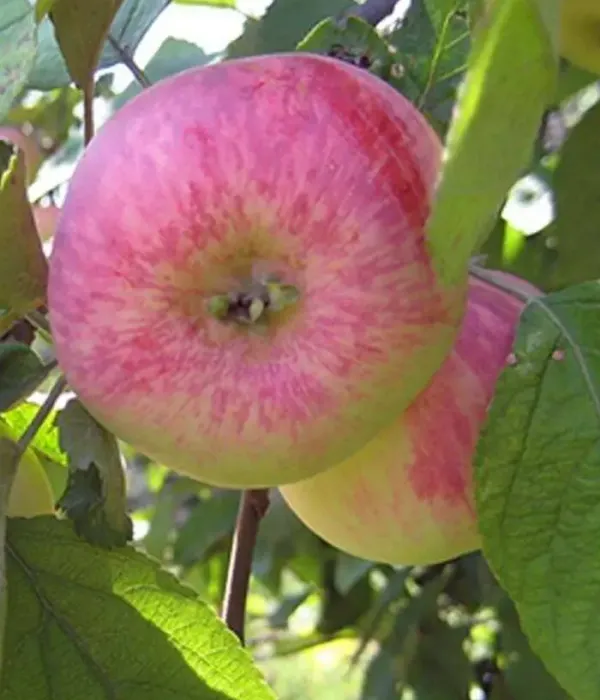
Taste and appearance of fruits: This summer apple (harvested in mid-August) did not get the name "Raspberry" by accident. Its medium to large, oval-conical fruits attract not only with a beautiful light yellow skin with raspberry-red stripes but above all with a unique taste. The white, extremely juicy flesh has pink stripes just under the skin and excels in a delicate sweet-sour flavor with a strong, unmistakable raspberry aroma. The fruits are intended for quick consumption or processing; they last only about two weeks in storage.
Cultivation and resilience: The variety is partially self-fertile, with good cold hardiness and medium resistance to diseases. To achieve the most beautiful and tastiest fruits, it requires a sunny location and fertile, moist, but well-drained soil.
6. Russian Columnar Apple 'Chervonets' (Червонец)
A breathtaking modern columnar variety bred in Russia in 1983, registered in 2008. The tree is very compact, growing only to a height of two meters, but thanks to genes from an American resistance donor (SR0523), it carries an enormous power – the Vm gene provides high resistance to scab. It comes into bearing in record time, already in the second year after planting, and offers an incredible yield potential.
Taste and appearance of fruits: The harvest of this autumn variety takes place at the end of September. The fruits are large to very large, averaging 180 grams, but can grow up to 350 grams. The smooth, shiny skin has a light yellow base, which, however, is almost entirely covered by a distinct purple-crimson color. The white, fine-grained, and juicy flesh has a dessert-like, sweet-sour taste (rating 4.3 points). The apples can be easily stored until November.
Cultivation and resilience: 'Chervonets' is popular for its high and regular yield. The only specific feature of this variety that the grower should consider is a natural decline in productivity after the 14th to 16th year of the tree's life, which is, however, a common phenomenon with columnar apple trees.
7. Romanian Apple 'Ciprian'
Bred at the Voinești Research Station and officially recognized in 1988, 'Ciprian' was created by crossing the Prima and Starkrimson varieties. This tree of medium growth bears exclusively on short fruiting wood (spurs). Thanks to its extraordinary production capacity and quick onset of bearing, it is ideal for modern orchards – its average yield reaches an impressive 49.5 tons per hectare.
Taste and appearance of fruits: It is an excellent winter variety with a long shelf life – harvested fruits stay fresh until March or April. The medium to large fruits (140 – 160 g) have a specific shape; similar to Starkrimson, they have five distinct ribs in the calyx area. The slightly greasy skin is clothed in a deep, dark red to burgundy color that covers almost the entire fruit. The creamy flesh is fine, wonderfully crisp, juicy, and delights with a very good, aromatic taste.
Cultivation and resilience: The greatest weapon of the 'Ciprian' variety is its perfect health status. It is fully immune to scab, possesses high resistance to powdery mildew, and is not threatened by fire blight either. This makes it a top candidate for orchards with minimal use of chemical protection.
8. Latvian Columnar Apple 'Dejavu'
This elegant Latvian variety from the station in Pūre is a dream come true for anyone who desires their own apples but does not have a large plot available. Its growth is weak, strictly columnar, and extremely compact – it grows to a height of 2 to 3 meters, taking up only 1 meter in width. This makes it a perfect choice not only for cramped gardens, but you can also easily grow it in larger containers on a balcony or sunny terrace.
Taste and appearance of fruits: At the end of August, medium-sized fruits ripen, attracting with a thin, shiny skin in beautiful shades of bright red to deep burgundy-raspberry. The white flesh is fine, juicy, and its sweet-sour, fragrant taste is simply made for summer refreshment. The apples are versatile for fresh consumption and quick processing.
Cultivation and resilience: Despite its subtle appearance, 'Dejavu' is an extremely vital little tree. It is fully cold-hardy, handles drought without problems, and is resistant to common apple diseases. For happy growth, it only needs a protected, sunny location and fertile, well-drained soil.
9. Russian Columnar Apple 'Dzhin' (Джин)
Our selection is concluded by a fascinating columnar apple tree from Russia, which has the natural shape of a compact half-bush only 1.8 to 2 meters high. This tree is synonymous with efficiency – it starts bearing abundantly already in the second year after planting on short fruiting shoots. Productivity skyrockets; after the fifth year, it can offer 5 to 15 kilos of premium fruit from a single tree.
Taste and appearance of fruits: In the second decade of September, we harvest medium-sized, round fruits (120 – 150 g). The thin, shiny skin is greenish-yellow, almost entirely covered by a bright red to crimson blush. Upon slicing, you will be enchanted by the crisp, creamy flesh, which is extremely juicy. The taste is decidedly dessert-like and saturated – sweetness prevails, complemented by a unique, subtle "cherry" acidity (tasting score 4.7 out of 5). As a typical winter variety, it excels with excellent shelf life until February (approximately 6 months).
Cultivation and resilience: 'Dzhin' is self-fertile, although the presence of other varieties can increase the yield even further. It was bred for the harsh conditions of Siberia and the Urals, so frosts will not harm it (however, in extreme frosts, the terminal buds may freeze). Its perfection is also contributed to by a high resistance to scab and other fungal diseases.
Conclusion
Modern and traditional varieties from Eastern Europe and the Baltics prove to us that cold hardiness and top-tier dessert taste do not have to be mutually exclusive. Columnar varieties like 'Dejavu' or 'Dzhin' solve the problem of small gardens, while robust giants from Russia and Romania guarantee a healthy and rich harvest without the need for constant spraying against scab. Whichever of them you choose for your garden, you will gain a reliable partner who will not let you down even in the most demanding climatic conditions.
Choose the most resilient apple trees for your garden
View our offer of premium apple varieties ➤
Interested in growing cold-hardy and columnar varieties?
Join our community and discuss with experts.
Join the VIP Facebook group HERE ➤
Related Products