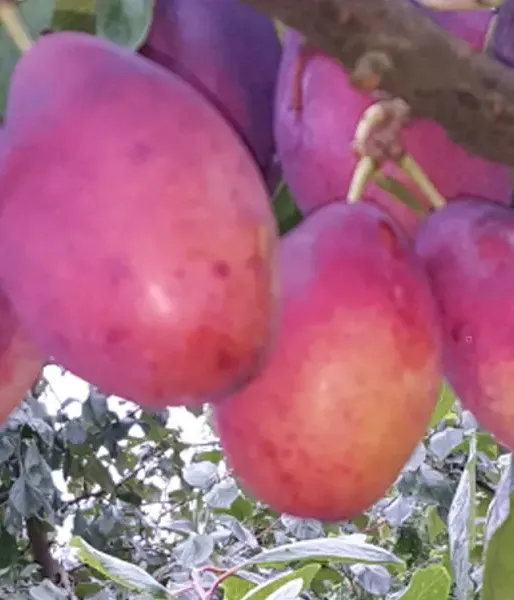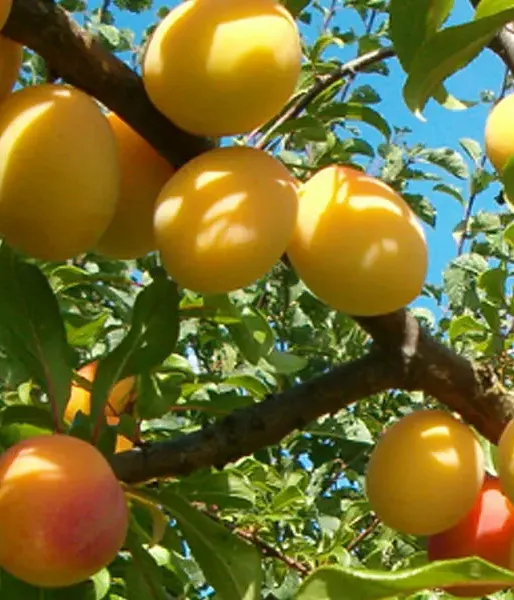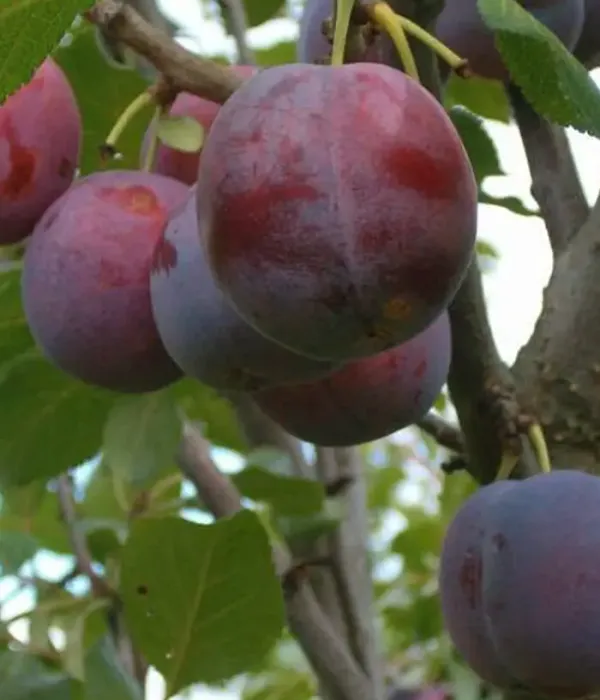


Survive and Flourish: 9 Exceptional Northern Plums for Extreme Conditions
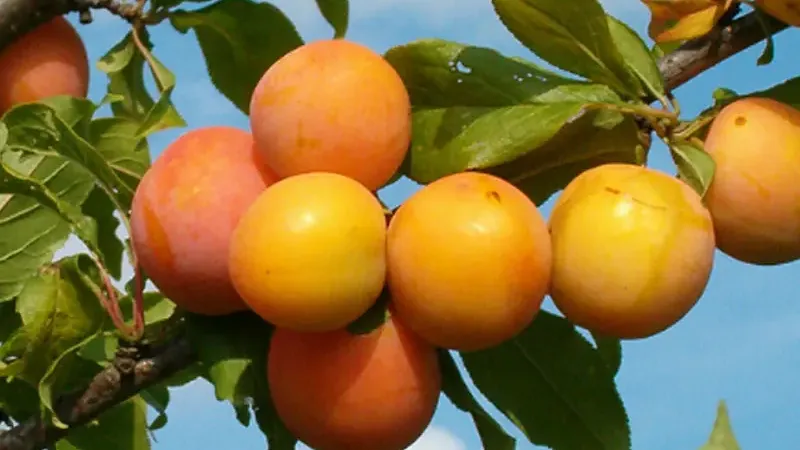
Survive and Flourish: 9 Exceptional Northern Plums for Extreme Conditions
While growers in southern regions struggle with drought, in northern and high-altitude areas, frost is the primary enemy of the harvest. For those cultivating fruit in harsher conditions – whether in frost pockets or regions with severe winters – we have prepared a collection of nine northern plum varieties for the 2026 season (expected sale late April to June, depending on weather).
This selection comes directly from Latvia, Russia, and Sweden. These varieties were bred with a single goal: to survive arctic conditions and still deliver fruit with an excellent, dessert-like flavor.
“The Latvian Institute of Horticulture (Dobele) is a global leader in breeding for cold climates. By combining the genes of American, European, and Siberian plums, they have created varieties that combine low stature, early bearing, and a taste you would expect from Mediterranean fruit.”
Category I: Hybrid and Siberian Legends
These varieties are crosses of classic plums with extremely resilient Asian species. They are the true "Spartans" of the orchard.
1. 'Skoroplodnaja' (Early Bearing): A Proven Russian Classic
This variety (in the register since 1965) originated from crossing the Ussurian plum with the American variety 'Climax'. As the name suggests, it enters bearing very early (already in the 3rd year).
- Resilience: Zero susceptibility to leaf spot and good frost hardiness under Siberian conditions.
- Fruit: Medium-sized (up to 28 g), yellow with an intense red blush and heavy waxy bloom.
- Flavor: Excellent, sweet-sour with a strong aroma. Note, however, that the stone is somewhat harder to separate from the flesh. It is partially self-fertile.
2. 'Alvis': A Collector's Rarity from Latvia
A hybrid variety by the legendary breeder P. Upītis. The tree only grows to a height of 3 meters, but the yield is very high. The frost hardiness of both wood and flower buds is excellent, making it an ideal choice for the coldest valleys. The fruits are yellow-orange, sweet-sour, and unlike 'Skoroplodnaja', the stone separates well. It is partially self-fertile.
Category II: Commercial Stars from Latvia
These modern varieties were bred for the needs of commercial orchards in the north, but thanks to their high quality, they are also perfect for home growing.
3. 'Adelyn' (Adele): The Red Commercial Leader
In Latvia (registered 2018), it is considered one of the best commercial varieties. The vigorously growing tree produces large fruits (commonly 45 g, exceptionally up to 65 g). Interestingly, the intensity of the red blush depends on the temperature swing between day and night. The flesh is firm, juicy, and the stone is free. It is cross-pollinated and requires a partner.
4. 'Ance': Early Honey Delight
Ripens already in early August. A vigorously growing variety that bears regularly and abundantly. Fruits are medium-sized, amber-yellow. At full maturity, the flesh acquires a distinct honey flavor, making it ideal for fresh consumption (although it handles transport less well at this stage). It has low disease susceptibility and a free stone. It is cross-pollinated.
5. 'Sonora': The Largest Fruits in the Range
Registered in 2018, 'Sonora' impresses with fruits weighing between 45 and 60 grams. It has a beautiful red-violet color and firm dessert flesh. Ripens in mid-September. It is highly disease-resistant and partially self-fertile (for full yields, however, we recommend a pollinator).
Category III: Low Trees for Small Gardens
If you are struggling with limited space, these varieties are for you. Their low growth also facilitates harvesting and pruning.
6. 'Laine': Purple Productivity
The tree only grows to 3 meters and forms a spreading crown. It is self-fertile and has the unique ability of self-thinning (the tree drops excess fruits, so you don't have to thin them manually). The fruits are elongated, large (50–75 g), and pink-violet. Ripens in September.
7. 'Minjona': The Sugar Bomb
Another variety by P. Upītis. A low tree with a sparse crown. The fruits are violet-brown and stand out with a high sugar content (up to 20 °Brix) and low acidity. The buds are very frost-resistant, but the tree requires protection against leaf spot. The stone is free.
8. 'Zane': Regular Yields for Home Orchards
Registered only recently (2021), this self-fertile variety ripens gradually in the second half of August. In institute tastings, it ranks among the favorites due to its stable honey flavor. The tree is low, requires no fruit thinning, only regular rejuvenation pruning.
Category IV: The Swedish Low-Maintenance Alternative
9. 'Violetta': The Tree That Needs No Pruning
This Swedish variety (SLU/Balsgård, 1992) is an absolute dream for those who don't want to spend time pruning trees. It grows very weakly (2-3 meters) and forms a compact spherical crown that requires only minimal sanitary pruning. It is self-fertile, bears extremely early (already in the 2nd year), and produces sweet violet-blue fruits (30 g) with a free stone.
Big Comparison: Which Northern Plum to Choose?
| Variety | Ripening Time | Fruit Size | Pollination | Main Benefit |
|---|---|---|---|---|
| Ance | Early August | Medium (up to 45 g) | Cross-pollinated | Honey flavor at maturity |
| Skoroplodnaja | Early August | Medium (up to 28 g) | Partially self-fertile | Extremely fast onset of bearing |
| Alvis | Mid-August | Medium | Partially self-fertile | Excellent bud frost hardiness |
| Violetta | Mid-August | Medium (30 g) | Self-fertile | No pruning, grows to 3 m |
| Zane | Late August | Large | Self-fertile | Tasting favorite |
| Minjona | Turn of Aug/Sept | Medium to Large | Partially self-fertile | High sugar content (20 °Brix) |
| Laine | Early September | Large (up to 75 g) | Self-fertile | Self-thinning ability |
| Adelyn | Early September | Large (up to 65 g) | Cross-pollinated | Top commercial variety in Latvia |
| Sonora | Mid-September | Huge (up to 60 g) | Partially self-fertile | Reliable autumn harvest |
Conclusion
Forget the disappointment of frozen flowers. These varieties from the Baltics, Russia, and Sweden are designed to bring sweet fruit to where other trees fail. From the maintenance-free Swedish 'Violetta' to the sugar-sweet 'Minjona' and the huge 'Sonora' – choose the variety that transforms even the coldest garden into a fruit paradise.
Prepare for the new season today
Explore our offer of frost-hardy plums ➤
Interested in growing in harsh conditions?
Join our community and consult with experienced growers.
Follow us on Facebook ➤
Related Products