Cart

Fig Tree (Ficus carica) LONGUE D'AOÛT
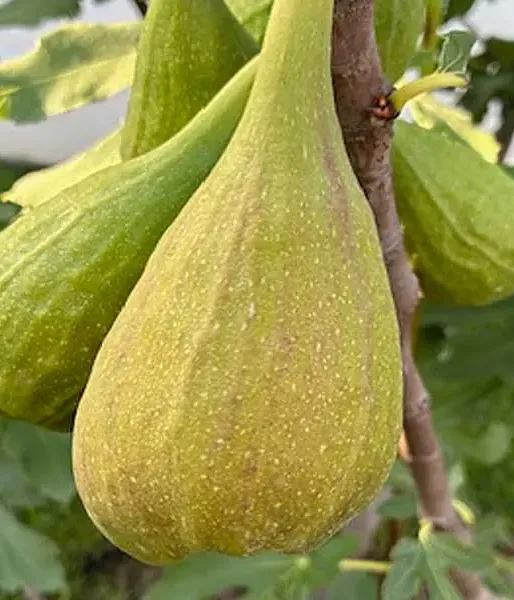
Fig Tree (Ficus carica) LONGUE DAOÛT
New
Fig Tree (Ficus carica) LONGUE D'AOÛT
Specifications
Height at sale60-80cm
Pot2,5l
Sell as2 year old
Ripening timeSeptember/October
The standard delivery time for Germany is 3-5 working days.(except for goods "On request")
We send goods on Monday, Tuesday, Wednesday, by agreement also Thursday or Friday.
Price
39.00€
Ex Tax: 34.51€
  • Stock: In Stock
  • Model: Ficus carica

Fig Tree - Variety 'Longue d'Août' (Ficus carica)

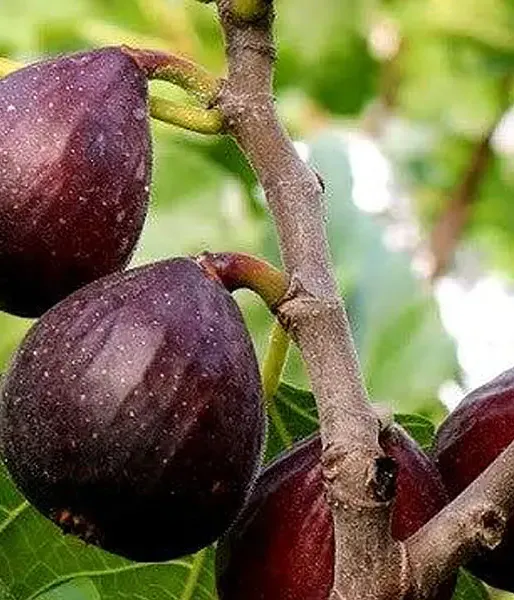
The 'Longue d'Août' is an exceptionally valuable, robust, and highly productive variety that has earned the popular nickname "Banana Fig" among growers. It perfectly combines the exotic appearance of massive, elongated fruits with incredible resilience against adverse weather conditions. This is a very rewarding tree that thrives particularly well in warm wine-growing regions, where its genetic vigor allows it to yield an abundance of sweet figs well into the late autumn.

Origins and Heritage: This is a classic old French variety, historically prized for its dependability and strong growth. In the global gardening community, it is also frequently sold under the synonyms Banane or Jerusalem.

Top Benefits of this Variety:

  • Unique Fruit Shape: The summer fruits feature an exotic, elongated shape and can reach an impressive weight of up to 180 g.
  • Gourmet Flavor: A delightful honey-sweet taste paired with a subtle yet distinct banana undertone.
  • Rain Resistance: The fruits are highly resistant to cracking, splitting, and rotting during wet weather.
  • Excellent Frost Tolerance: Mature wood can reliably withstand winter temperatures dropping to -17 °C (1.4 °F).
  • Bountiful Harvests: Produces a massive, highly concentrated autumn crop following the large summer figs.
  • Self-Fertile & Vigorous: A parthenocarpic variety characterized by exceptional overall vitality.

Detailed Plant Profile

Growth and Habit

  • Vigor: The plant exhibits a slightly more vigorous and spreading growth habit. When fully grown, it usually reaches a height of 2.5 to 3 meters.
  • Pruning and Shaping: Depending on how you prune it in the spring, it can be successfully trained as a neat, compact tree with a single trunk, or allowed to grow as a wide, sprawling, and heavily fruiting bush.

Fruits and Taste Profile – Two Crops

  • Culinary Secret: This is a bifera variety, meaning it produces two crops a year. Each harvest varies in appearance, size, and flavor concentration. The signature banana notes peak when the fruit is fully ripe.
  • First Crop (Summer / Breba): Ripens in July on the previous year's wood. These figs are enormous (120 – 180 g) and distinctly elongated, closely resembling a banana. The skin is green-yellow to brownish, while the inside features light red, extremely juicy, and honey-sweet flesh with a captivating banana accent.
  • Second Crop (Main / Autumn): Ripens on new wood from mid-August through September (and up to the end of October in very warm years). These fruits are smaller (60 – 80 g), rounder, and sport a darker skin. This wave is significantly more abundant and offers a much more concentrated flavor.

Cultivation and Care

  • Pollination: Belonging to the Adriatic botanical group, this variety is parthenocarpic (self-pollinating) and sets fruit without the need for the fig wasp.
  • Moisture Resistance: One of its greatest strengths. The ripe figs do not split or suffer from premature internal rotting, even during prolonged rainy periods.
  • Planting and Overwintering: Plant 2 to 3-year-old trees in open ground. Despite its hardiness to -17 °C, growers in colder regions must wrap the trunk and canopy with horticultural fleece during winter until the trunk reaches 6 to 7 cm in diameter.
  • Pro-Tip for Higher Yields: This tree responds exceptionally well to summer pruning. If you pinch back the new green shoots to the 4th or 5th leaf in June, you will slow down the wood growth, forcing the tree to redirect its energy into ripening the autumn figs much faster.

Drawbacks of the Variety:

  • Demanding Pruning Requirements: Because of its vigorous and spreading nature, it requires regular maintenance (especially summer pruning) to maintain its shape and boost fruit production.
  • Late Main Harvest: In cooler climates (outside of warm viticulture zones), the autumn crop may ripen too late in the season (October), exposing the unripened fruit to the risk of early frosts.

Write a review

Note: HTML is not translated!
Rating
Bad Good
reCAPTCHA verification failed! Please try again.
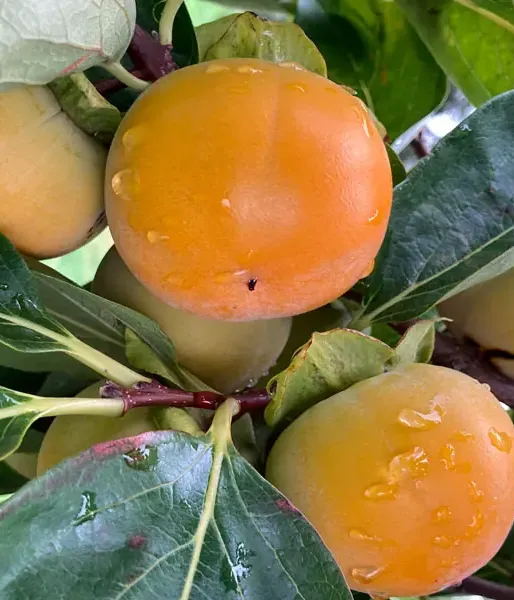
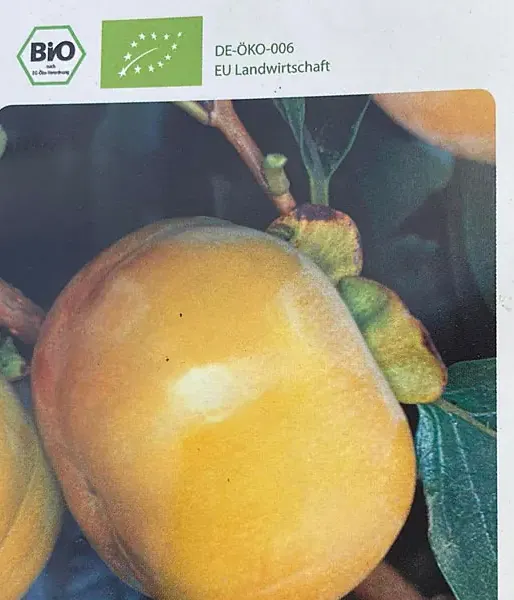
Hurmi Kaki FUYU is one of Japan's large-fruited varieties, popular because the fruit can be eaten directly from the tree when ripe. In our country, it..
Price
39.00€
Ex Tax:34.51€
Add to Cart
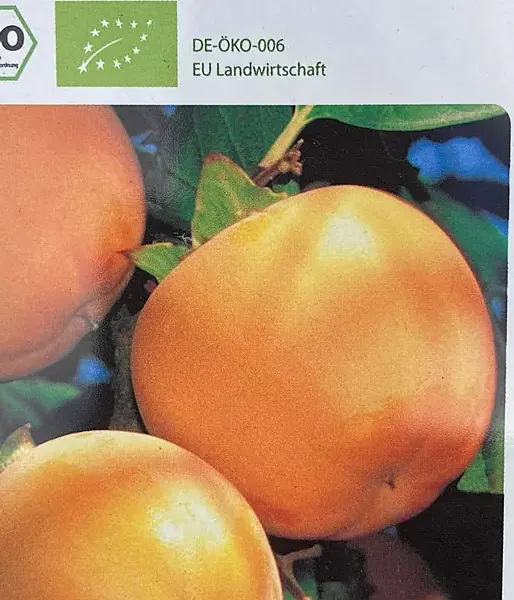
Hurmi Kaki ROJO BRILLANTE is one of the Japanese large-fruited varieties, popular because the fruit is of the highest quality. In our country it can b..
Price
39.00€
Ex Tax:34.51€
Add to Cart