Cart

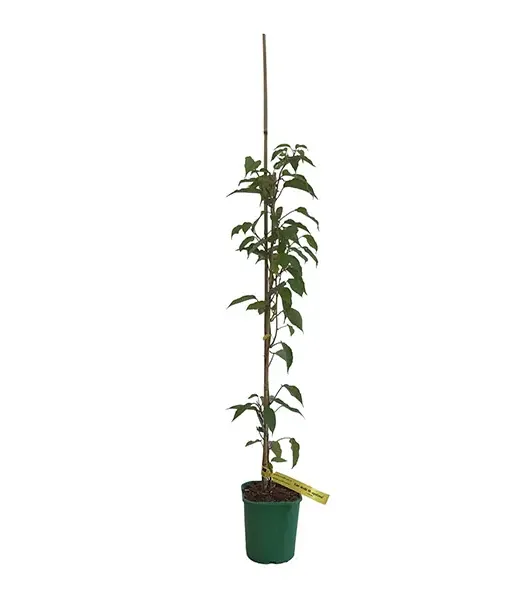
Fig Tree (Ficus carica) DALMATIE
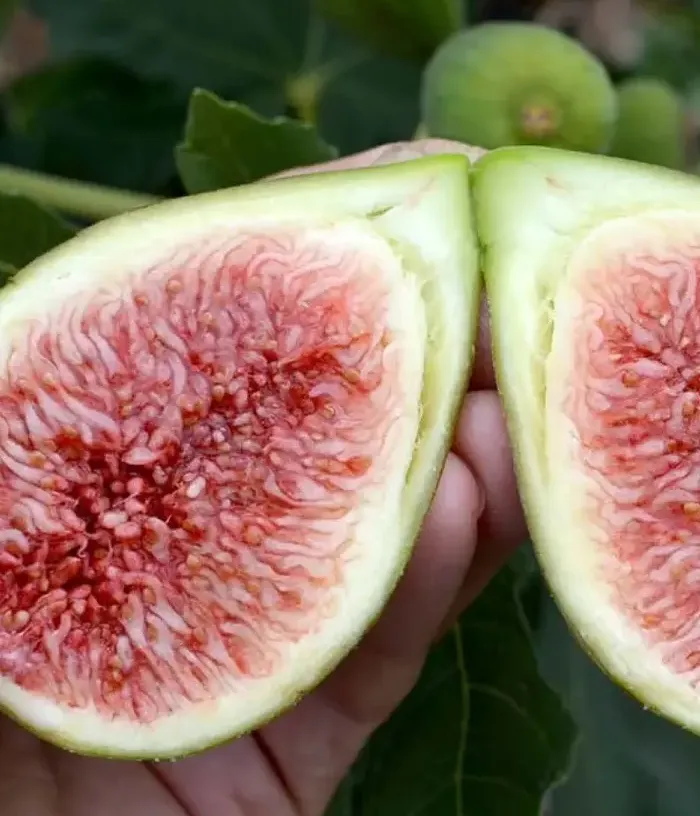
Fig Tree (Ficus carica) DALMATIE
New
Fig Tree (Ficus carica) DALMATIE
Specifications
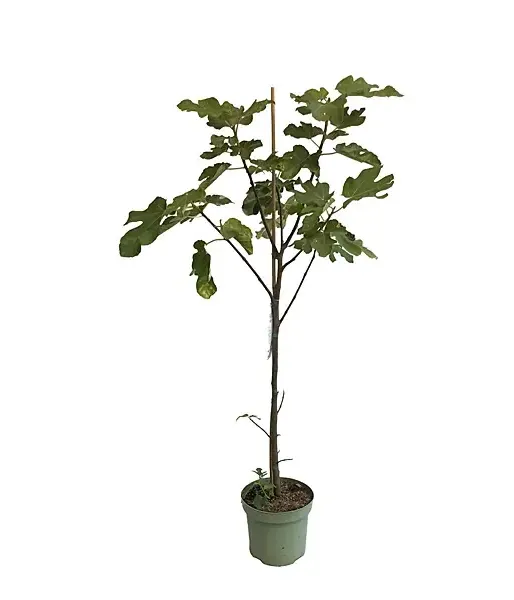
Height at sale60-80cm
Pot2,5l
Sell as2 year old
Ripening timeSeptember/October
The standard delivery time for Germany is 3-5 working days.(except for goods "On request")
We send goods on Monday, Tuesday, Wednesday, by agreement also Thursday or Friday.
Price
39.00€
Ex Tax: 34.51€
  • Stock: In Stock
  • Model: Ficus carica

Fig Tree - Variety 'Dalmatie' (Ficus carica)

The 'Dalmatie' cultivar is universally synonymous with colossal fruit size and extraordinary resilience against unfavorable weather. Hailing from the Adriatic coast, this Mediterranean beauty with exceptionally architectural foliage is an absolute top-tier choice for Central European gardens. Its most remarkable superpower is an uncanny resistance to rain and moisture: the massive fruits do not split or turn to rot, even during bleak autumn downpours. Combined with its naturally dwarf-like habit, it is the ultimate option for small spaces, foundation plantings, and permanent patio container culture.

Origins and True Identity: This heritage fig originates from the sunny Croatian island of Hvar (historically documented as Lesina). In horticultural circles, it is also recognized under the synonyms San Piero, Du Japon, or Blanche Navello. Purchasing note: In European nurseries, two distinctly different figs are occasionally sold under the general name "Dalmatie." This profile describes exclusively the true, green-fruited cultivar first cataloged by botanist Trabut in 1904.

Key Advantages of the Variety:

  • Massive Fruit Size: Reaches an astonishing fruit weight of up to 150 g with an intensely rich, honey-sweet pulp.
  • Rainproof Champion: The skin will not split under wet conditions; rainfall merely enhances the juiciness of the flesh without causing decay.
  • High Cold Tolerance: Summer wood lignifies and hardens unusually quickly, giving the tree excellent winter hardiness.
  • Naturally Compact Habit: Its smaller stature makes it perfectly suited for tight garden spaces and patio containers.
  • High Ornamental Appeal: Enormous, deeply incised leaves lend the tree a dramatic, tropical palm-like aesthetic.
  • Self-Fertile: Parthenocarpic nature means it sets fruit reliably without any need for fig wasps or external pollinators.

Detailed Plant Profile

Habit and Foliage

  • Growth: The tree exhibits naturally restrained, slower, and lower growth. It displays a distinctly open, slightly sparse architecture due to its reluctance to branch heavily, carrying a smaller total number of leaves.
  • Leaves: Although fewer in number, each leaf is gigantic and deeply cut into dramatic lobes that resemble wide-open hands. Because of this sculptural look, 'Dalmatie' is a favorite amongst landscape designers.

Fruit Profile – Two Harvest Seasons

  • First Crop (Summer / Breba): Forms on last year's mature wood. These figs are enormous (120 – 150 g) with an elongated pyriform shape. However, they are sensitive to wild spring temperature fluctuations, which can cause premature fruit drop.
  • Second Crop (Main / Autumn): Develops on new green growth. These figs are still notably huge (100 – 120 g), looking almost disproportionately large compared to the compact tree itself.
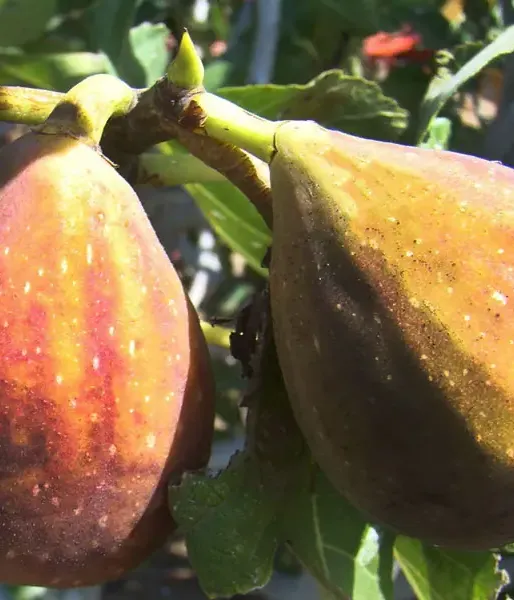
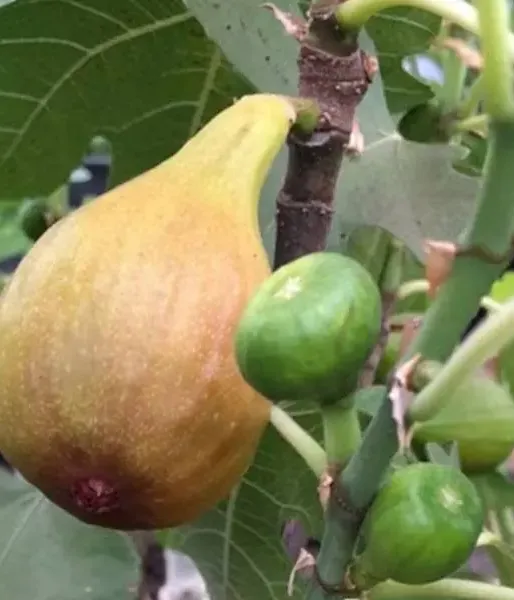
  • Color and Flavor: The green-yellow skin encases a deep ruby-red, very thick, and jammy interior. When dead-ripe, a glistening droplet of sweet nectar emerges right at the ostiole (eye).

Cultivation and Secrets of Success

  • Moisture Resilience: The standout trait of this variety. While other figs split and spoil after autumn rains, 'Dalmatie' simply absorbs the moisture into its pulp, remaining completely intact and healthy.
  • Cold Hardiness: Mature wood reliably withstands temperatures down to -15 °C (5 °F). It wakes up slowly in spring, but during summer, the shoots harden and mature exceptionally fast in preparation for winter.
  • Pro-Tip (Debreba for Early Harvests): Because the main autumn crop ripens late in the season, a proven horticultural trick is to manually pinch off the summer breba figs when they reach pea size. This redirects the tree's entire energy reserves into the main crop, advancing the autumn ripening window by 1 to 3 full weeks!
  • Shoot Management: During summer, break off excess vegetative shoots so the tree can focus its energy entirely on swelling and sweetening the fruit.

Drawbacks of the Variety:

  • Unstable Breba Crop: The summer breba figs are prone to dropping if spring weather brings severe temperature fluctuations.
  • Late Autumn Ripening: In cooler regions, thinning out summer fruit and excess shoots is necessary to ensure the main crop matures before the arrival of cold weather.
  • Sparse Canopy: The sparse branching pattern can make the shrub look somewhat bare compared to lush, bushy varieties.
  • Deceptive Skin Color: Because the skin remains green-yellow even at peak sweetness, beginners may find it harder to judge exact ripeness.

Write a review

Note: HTML is not translated!
Rating
Bad Good
reCAPTCHA verification failed! Please try again.
Hurmi Kaki FUYU is one of Japan's large-fruited varieties, popular because the fruit can be eaten directly from the tree when ripe. In our country, it..
Price
39.00€
Ex Tax:34.51€
Add to Cart
Hurmi Kaki ROJO BRILLANTE is one of the Japanese large-fruited varieties, popular because the fruit is of the highest quality. In our country it can b..
Price
39.00€
Ex Tax:34.51€
Add to Cart